Limitations, exclusions and the fine print
What AS 4349 actually leaves out — inaccessible areas, furniture, locked rooms, roofs, and the “visual only” agreement buyers sign and then forget.
By Mark Ellison, Standards editor · 19 March 2024 · Updated 11 November 2025 · 10 min read
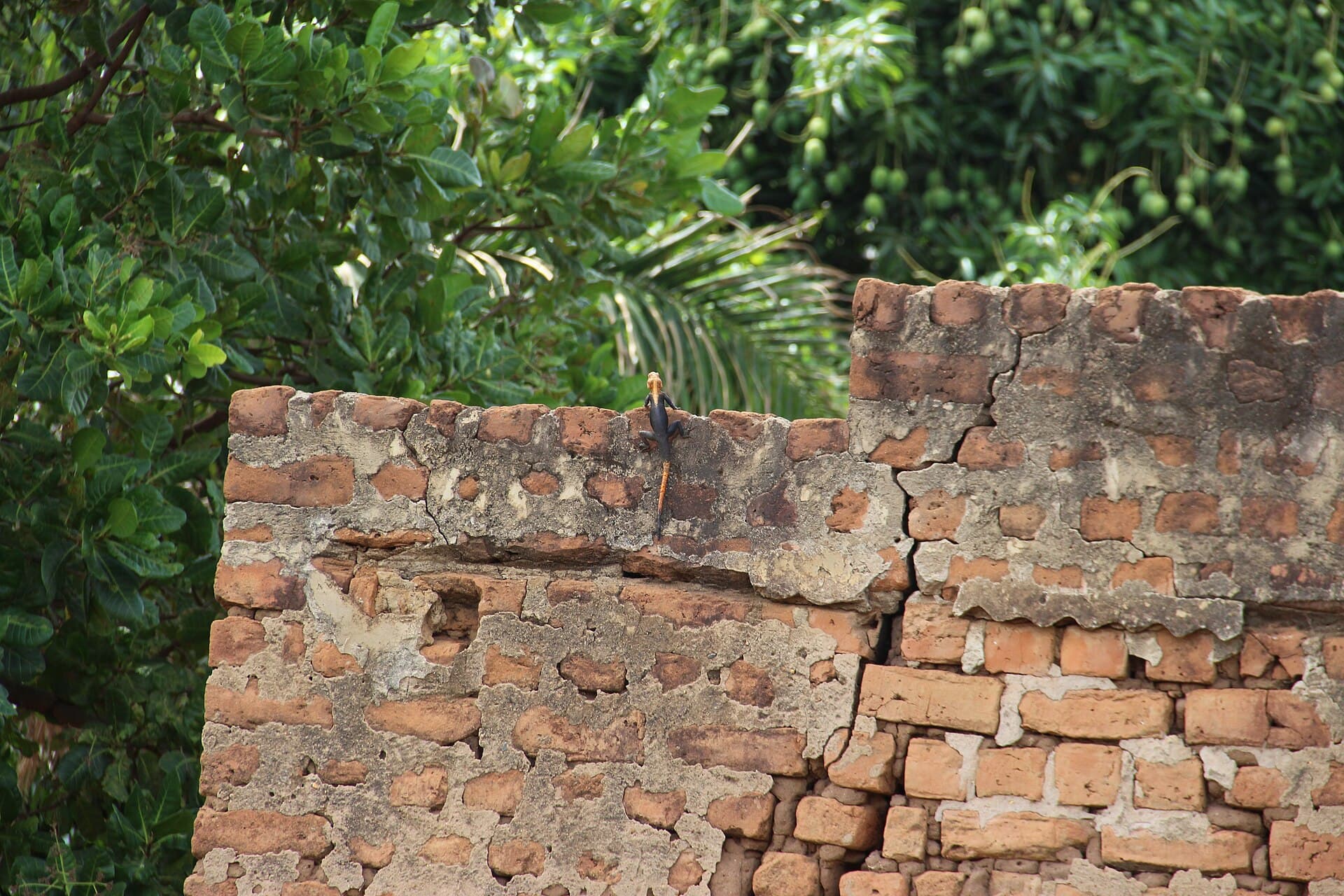
Photo: Kabang Bladina Gideon. Cracked masonry wall. CC BY-SA 4.0. Source on Wikimedia Commons. Licence. Full credits on the image credits page.

The report you are angry at is often the report you agreed to. Before anyone climbs a ladder in Hamilton, you sign a pre-inspection agreement that says what will not be seen. Most buyers do not read it. They read the PDF at eleven o’clock and discover, too late, that “visual only” was not a slogan. It was the job.
This essay is about the edge of an AS 4349 inspection — the limitations, the exclusions, and the furniture that still wins. If you want the centre of the job, read what a pre-purchase building inspection covers. If you want the paperwork around the person, start with choosing a licensed inspector. The reports and standards hub holds both.
The standard is a fence, not a promise
Most serious pre-purchase building inspections in this state are written to AS 4349.1. The timber pest half, when you buy it, is AS 4349.3. The standards tell the inspector what a “standard” inspection includes and, just as firmly, what it may leave out. They are not marketing leaflets. They are also not secret law. Practice varies in the wording of reports. The fence does not.
In general terms, a standard inspection is:
- visual
- of reasonably accessible areas
- of the residential building and the areas immediately associated with it
- a report on condition, with defects classified, and with limitations stated
It is not a demolition. It is not a quote. It is not a certificate that the house complies with every code that has applied to it since the verandah was enclosed. Buyers who want those things are commissioning different work: invasive testing, an engineer, a council records search. Anger at a report for not being an X-ray is usually anger at the agreement.
The agreement is the document that adapts the standard to this house, this morning. It should say what will be inspected, what will not, and what happens if access fails. If you signed it between emails, you still signed it.
What “reasonably accessible” actually means
“Reasonably accessible” is the phrase that does the most work, and the one buyers most often misread as “everything I care about”.
An inspector is not required to cut holes, force locks, move heavy furniture, or crawl into a space that cannot be entered safely. They are required to try, and to say when they could not. That “say when” is the whole difference between a limitation and a dodge.
On a Hunter house the usual edges look like this.
Furniture and stored goods. The vendor still lives there, or a tenant does. Beds sit against walls. Wardrobes are packed. The garage is a second dwelling made of boxes. The inspector may move a light chair. They will not unpack a life. If a wall, a window, or a manhole is behind that life, it is unseen. The report should name the room, not hide the problem in a general clause you will skip.
Locked rooms and refused access. A study locked for the tenant’s privacy, a granny flat whose occupant is at work and took the key, a shed with a padlock and no one to open it. These are not small courtesies. They are holes. A building report that never mentions the locked rear room is easier to like and harder to use.
Roof voids. Many inner-suburb cottages have a hatch in a hallway cupboard. Some have none that can be found without moving a water heater. Some have insulation piled so deep that the ceiling joists disappear. Some have a void so tight that entry would mean damaging the ceiling or the inspector. The honest report says whether they entered, what they saw from the hatch, and what remained a guess. “Visual from the manhole” is a limitation with a meaning. “Roof inspected” when they stood in the driveway is a different sentence.
Subfloors. Weatherboard and older brick houses often have a crawl space. In Cooks Hill, Waratah, Carrington and the older lake towns that space may be a few hundred millimetres of damp dirt, a collapsed vent, and a memory of a torch. If the inspector cannot get in, or can get in only to a corner, the report should say so in language you can find later.
Roofs, from above. The standard walk includes the roof as it can be seen safely — from the ground, from a ladder, from a vantage that does not require walking every terracotta ridge in a southerly. Coastal jobs add wind and salt to the usual list. An inspector who refuses an unsafe roof is not lazy. An inspector who claims a full roof inspection from the front path should be asked how.
Height, weather, and safety. A two-storey void with no safe access, a wet morning, a dog that cannot be put away, a tenant who will not have strangers in the bedroom. The standard does not ask anyone to be injured for your cooling-off period.
If you are buying a unit, the edges multiply: common property, a roof that belongs to the scheme, a neighbour who will not open the shared void. That is a separate essay.
“Visual only” is a method, not a shrug
Buyers hear “visual only” and imagine a stroll. Inspectors mean: we did not cut the plaster, lift the floor as a matter of course, or open the wall cavity. We looked, we probed what we could reach without damage, we used a torch, we may have used a meter. We did not dismantle the house you do not yet own.
That method still finds a great deal. Cracked brickwork, a bouncing floor, a wet corner, a roof that has dropped its line, a bathroom that smells like a bathroom that has been leaking. It will not find the membrane behind the tiles, the termite gallery behind a skirting that was not hollow to a tap, or the unapproved steel in a wall that looks newly painted.
A moisture meter or a thermal camera can extend the look without cutting. They can also lie with confidence. They do not turn a visual inspection into a forensic one. Read thermal imaging and moisture meters before you treat a colour blotch as a finding the standard somehow missed.
When a report says “further investigation”, it is often pointing at the far side of the fence: a plumber’s camera, an engineer, a tiler who will pick up a floor. That is not the inspector failing to finish. It is the inspector refusing to invent sight.
How buyers misread the agreement
The pattern is familiar enough to be boring, and still expensive.
You skimmed the limitations because they looked like every other waiver. They are not every other waiver. They are a map of the morning. If the agreement excluded the pool, the granny flat, or the roof, the report will not surprise you later unless you refused to read.
You thought “major defects only” was a cheaper, equal report. Some products are scoped that way. They are a different purchase. A major-defects-only inspection can be legitimate if you knew that is what you bought. It is a poor surprise if you thought you had bought the standard walk.
You assumed the inspector would come back for free when the tenant left. Some will, for a fee, if you asked before the first visit. The agreement should say. A limitation that was true on Tuesday does not expire because you are now annoyed on Thursday.
You read “no inspection of inaccessible areas” as covering you, rather than excluding them. The sentence is there to protect the inspector from a claim about a space they never entered. It is also there to warn you. It is not a hidden warranty that those spaces are fine.
You used the report as a weapon and then discovered its edge. Renegotiation depends on what was actually seen. A vendor’s solicitor can read limitations too. A crack the inspector photographed is a fact. A crack behind a wardrobe they were not allowed to move is a rumour you are trying to price.
Read the agreement the way you will later read the report: limitations first, then the scope, then the fee, then the signature. How to read an AS 4349.1 report is easier if you already know what the job was allowed to be.
What should still be written down
A limitation that cannot be found is not a limitation. It is a fog.
A decent report will say, in ordinary language:
- which areas were not inspected, and why
- whether the roof void and subfloor were entered, viewed from an opening, or not seen
- whether rooms were locked, furnished, or refused
- whether weather, height, or safety stopped a part of the walk
- whether a particular element — a deck, a retaining wall, a detached studio — was outside the agreed scope
It will not hide those sentences on page twenty-eight under a heading you have never heard of. If you cannot find the holes, call the inspector before you call the agent. A good inspector would rather explain a hatch than read about themselves in a complaint.
The insurance essay is the other half of this file. Limitations exist because the job is finite, and because someone once argued that it was not. They are not a reason to ignore a genuine major defect. They are a reason not to invent one in a space that was never opened.
What you can do before the morning
You have more control than the fine print suggests.
Ask the vendor or the agent, in writing, for access: hatches cleared, keys to the granny flat, the dog next door, the tenant given notice that cupboards will be opened. You will not get a vacant house. You can get a house that can be seen.
Attend. Point at the room you could not enter at the open home. Ask, at the car, what remained unseen. If the answer is a shrug, that is a finding.
Do not book a forty-minute slot for a house that needs an hour and a half. The pre-purchase problem is often time, not malice. Auction is worse. A limitation you discover after you have bid is just a limitation you now own.
If the house is old, or cracked, or sitting on a coalfield, budget for the extra opinions the first report may request. Mine subsidence, movement, and a stepped crack in masonry are a reason to look twice; they are not a reason to pretend the first inspector should have X-rayed the pier. The after the inspection hub is about what you do with an honest, incomplete document.
A crack is still a crack
None of this is an argument that defects do not matter. A settlement crack running through a masonry wall is either a story about movement or a story about age. The inspector who can see it should say which they think it is, and how sure they are. The inspector who cannot see the matching wall inside, because a bookcase won, should say that too.
The fine print is not there to make the house innocent. It is there to stop you and the inspector pretending that a visual job was a different job. Read it. Then read the report as a document, not as a vibe. The house will still be the house when the limitation clause is finished with you.
Questions readers ask
- If the inspector did not go in the roof, is the report worthless?
- No. It is incomplete in a named way. A report that says the roof void was not entered is doing its job. A report that stays silent about the hatch is the one to worry about.
- Can I make the vendor move the furniture?
- You can ask. The inspector cannot force it, and the standard does not require them to shift a household. If a room stays packed, the limitation should be written down before you treat the report as complete.
- Does “visual only” mean they just walked through?
- It means they did not cut holes, lift floor coverings as a matter of course, or dismantle the building. It does not mean they stood in the hallway and guessed. The standard still expects a systematic look at what can reasonably be reached.
Keep reading
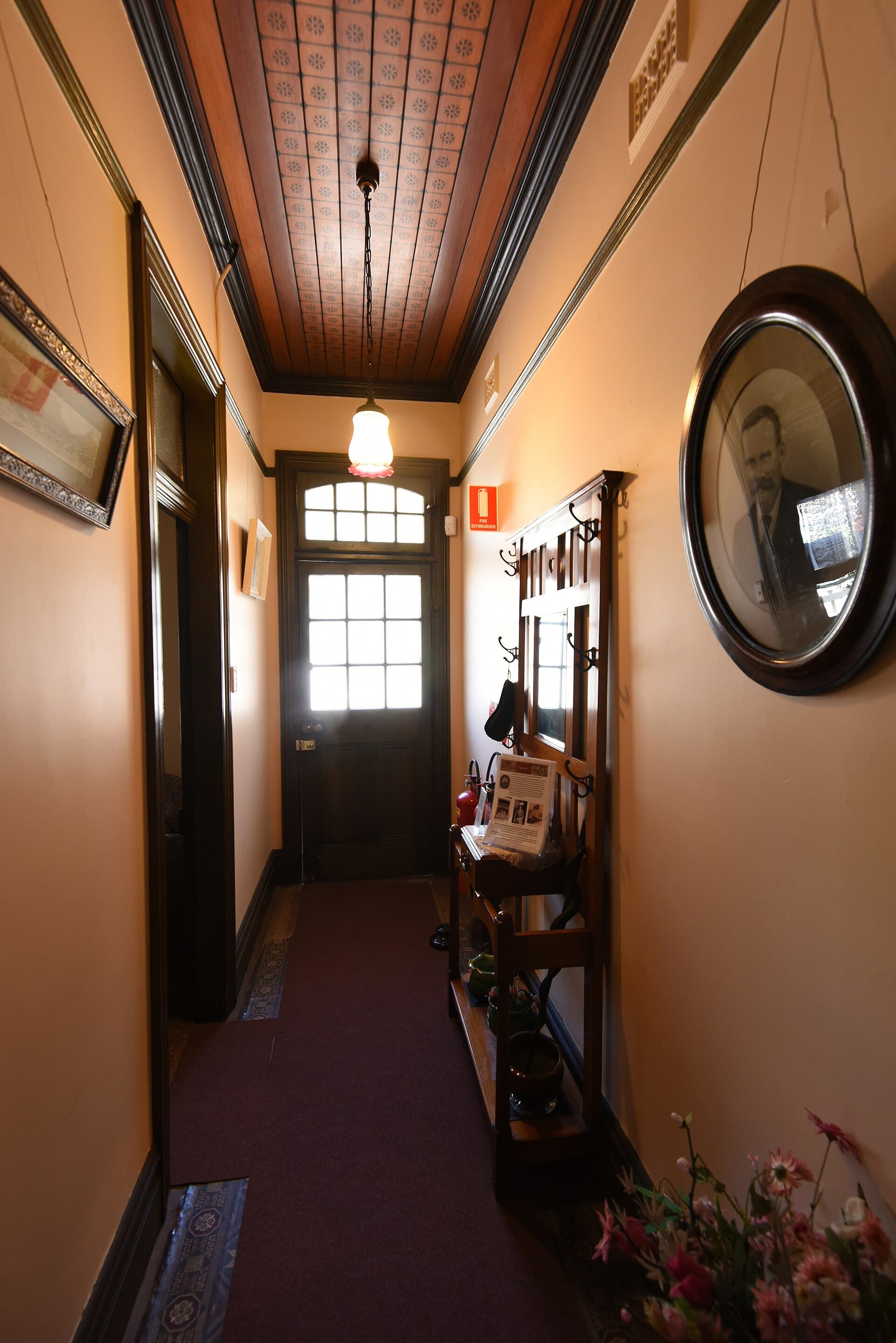
Building codes, council records and the inspection
Why a walk-through cannot replace a records search — complying development versus a DA in plain language, unapproved work, and where Newcastle, Lake Macquarie and Maitland keep the paper.
Mark Ellison · 17 September 2024 · 12 min read · Photo: Sardaka, CC BY-SA 4.0
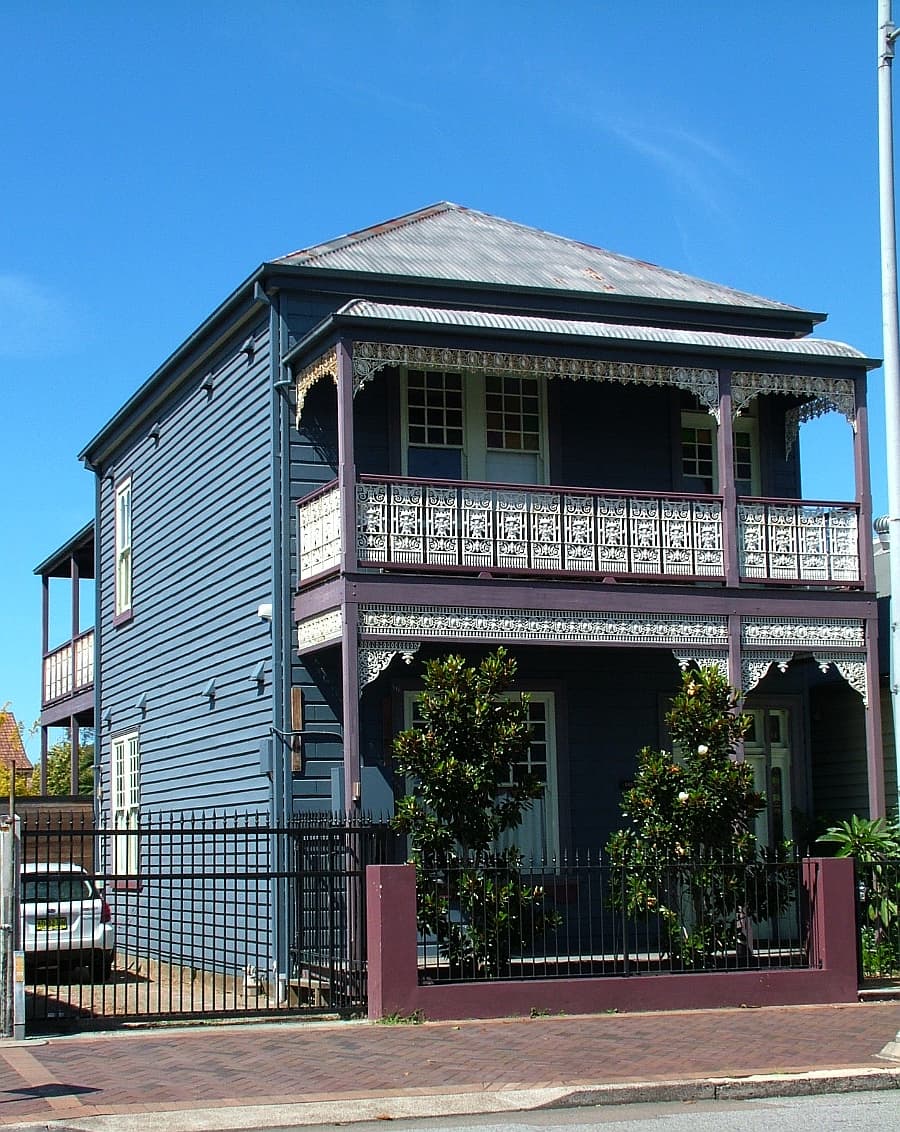
Insurance and disclaimers — what a report cannot do
Professional indemnity in plain language, why AS 4349 reports disclaim so much, and what a Newcastle buyer can reasonably expect from a document that is not a warranty.
Mark Ellison · 11 June 2024 · 11 min read · Photo: Mark McIntosh, CC BY-SA 3.0
Thermal imaging and moisture meters — when they matter
What a moisture meter and a thermal camera actually measure on a Hunter house, where they lie, and when they should change a recommendation rather than decorate a report.
Mark Ellison · 16 May 2024 · 10 min read · Photo: Sam Wilson, CC BY-SA 2.0