What a pre-purchase building inspection covers in NSW
A clear account of AS 4349.1 in Newcastle and the Hunter — what the inspector is paid to see, what they will not open, and how to read the report before exchange.
By Helen Cartwright, Editor · 12 March 2024 · Updated 18 February 2026 · 12 min read
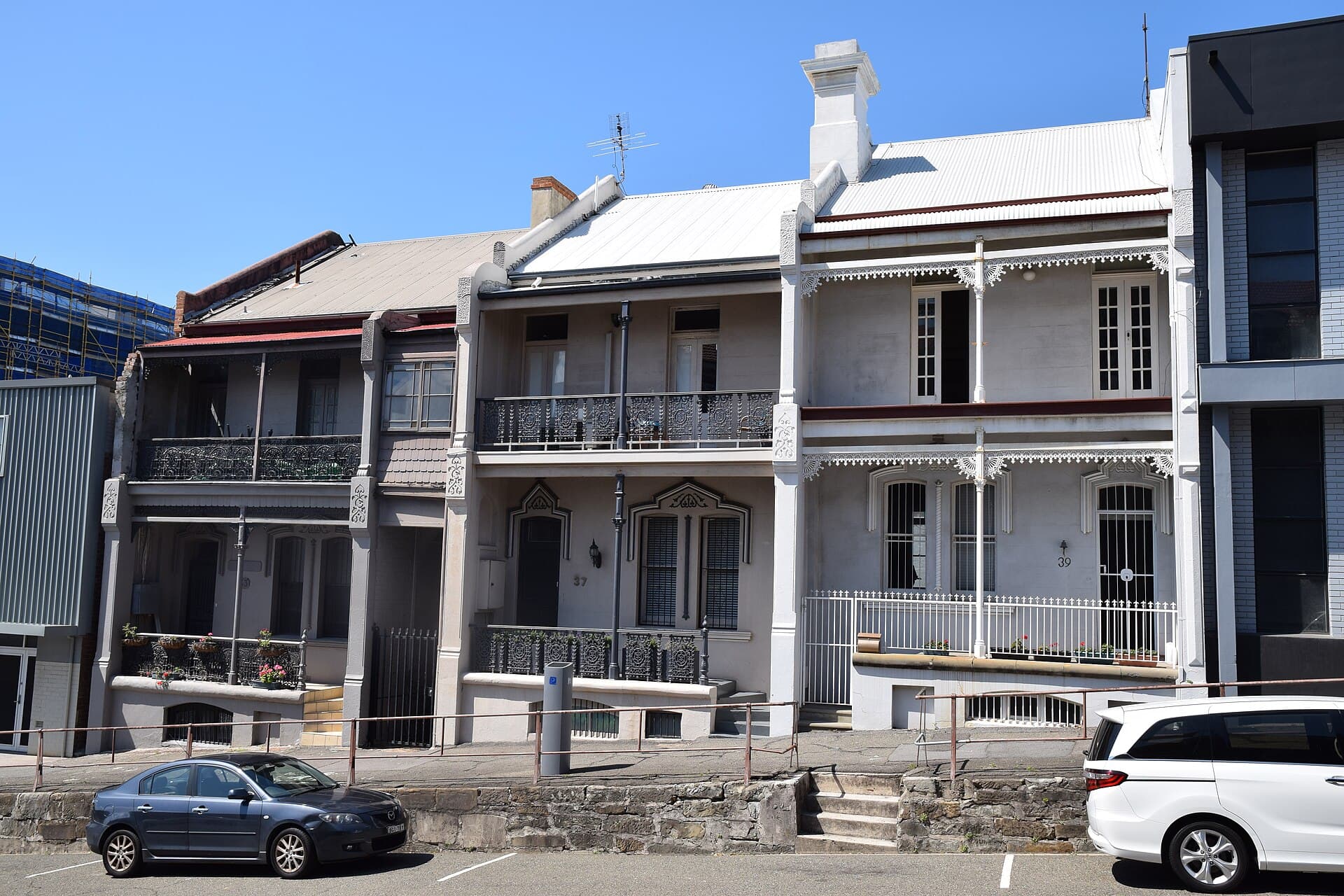
Photo: Hugh Llewelyn. Victorian terraces, Civic. CC BY-SA 2.0. Source on Wikimedia Commons. Licence. Full credits on the image credits page.

A pre-purchase building inspection in New South Wales is a short, expensive walk through a house you do not yet own, carried out by someone who is paid to be unsentimental. In Newcastle and the Hunter that walk is rarely simple. The stock is mixed — inner-city terraces, lake fibro, coalfield brick, coastal weatherboard — and the market still likes to hurry people from open home to exchange.
This essay is about what the inspection is for, not how to book one. If you want the paperwork and the licensing, start with choosing a licensed inspector in NSW and the reports and standards hub. If you want the pests, they live in a different standard and a different hub.
The standard, not the brochure
Most serious pre-purchase building inspections in this state are written to AS 4349.1 — Inspection of buildings, Part 1: Pre-purchase inspections — Residential buildings. The standard is not a marketing leaflet. It tells the inspector what a “standard” inspection includes, what it may exclude, and how to say so.
In practice that means:
- a visual inspection of reasonably accessible areas
- a report on the condition of the building, with defects classified
- a set of limitations that are not fine print for lawyers only — they are the edge of what was seen
It does not mean a guarantee, a renovation quote, or a forensic investigation of every cavity. If you need that, you are commissioning a different job: invasive testing, an engineer, a waterproofing specialist. The limitations essay is worth reading before you are angry at a report for not being an X-ray.
What “accessible” means on a Hunter house
“Reasonably accessible” is the phrase that does the most work. An inspector is not required to cut holes, move locked furniture, or crawl into a roof void that cannot be entered safely. They are required to try, and to say when they could not.
On a typical Newcastle job that plays out like this:
Roof void. Many inner-suburb cottages have a manhole in a hallway cupboard. Some have none that can be found without moving a water heater. Some have insulation piled so deep that the ceiling joists disappear. The inspector should say whether they entered, what they saw from the hatch, and what remained unseen.
Subfloor. Weatherboard and older brick houses often have a crawl space. In Hamilton, Cooks Hill, Waratah and the older lake towns that space may be 300 millimetres of damp dirt and a memory of ventilation. If the inspector cannot get in, the report should say so in language you can find later, not in a footnote you will miss at 11 pm.
Exterior. The standard walk includes walls, windows, decks, paths immediately associated with the building, and the roof from the ground or from a ladder where it is safe. It does not include walking every terracotta ridge in a southerly. Coastal jobs from Stockton to Redhead add salt and wind to the usual list; see coastal corrosion.
Interior. Rooms, wet areas, obvious structural movement, water stains, catchy doors. Cupboards are opened if they are not locked and not packed to the ceiling with the vendor’s life.
If a tenant will not allow access, or a vendor has stacked the garage with boxes, that is not a small courtesy issue. It is a hole in the report. Timing the inspection around exchange is partly about getting those rooms empty enough to see.
What the inspector is looking for
A good report is not a list of scuffed skirting. It is an argument about how the building is performing.
Structure. Cracked brickwork, rotated piers, bouncing floors, lintels that have given up, roof framing that has been cut about for a skylight. In the Hunter you also keep mine subsidence in mind — not as a party trick, but as a reason to look twice at stepped cracks and jammed windows. The mine subsidence essay is the longer version.
Water. Roofs, gutters, flashings, bathrooms, laundries, the junction between an old house and a new pavilion. Rising damp on a Victorian terrace in Civic is a different creature from a leaking shower in a 1980s brick veneer in Charlestown, but both write themselves into timber and plaster if you ignore them.
Safety. Unsafe balustrades, unlicensed-looking electrical work, a gas heater that looks older than the inspector, a deck that has pulled away from the wall. Safety items should be hard to miss in the report. If they are buried, ask why.
The envelope. Windows that no longer close, cladding that has been painted into a trap, eaves that hold water against the fascia. Weatherboard and fibro each have their own failure modes; those essays live in Hunter housing stock.
A moisture meter and a thermal camera can help. They can also flatter the operator. Read thermal imaging and moisture meters before you treat a colour blotch as a diagnosis.
What it does not cover, even when people think it does
Buyers in this city still arrive at exchange believing the building report covered everything with a plug or a pipe. It did not.
A standard AS 4349.1 inspection is not:
- a timber pest inspection
- a compliance certificate against the National Construction Code for every alteration
- a survey of boundaries or easements
- an asbestos register, though the inspector may note suspect sheeting
- a swimming-pool compliance certificate
- a strata report on the building next door
Strata and townhouses have their own problems of common property and access; that is a separate essay. New houses have a different psychology again — they can look finished and still be wet. See new builds versus established homes.
If the house has been renovated, the inspector can tell you what they can see. They cannot tell you, from a walk-through, that the waterproofing membrane behind the tiles was installed to the manufacturer’s detail in 2019. Council records and the paper trail essay will get you closer than a torch will.
How defects get named
Reports vary in their vocabulary. Many use a scale that looks roughly like this: minor defect, major defect, safety hazard. Some add “further investigation”. The words matter less than the consequence.
A minor defect is usually maintenance — paint, a slipped tile, a sticky sash. It should still be listed if it is real. A pile of minors can be a major in disguise: a house that has not been maintained is a house that is about to cost you weekends.
A major defect is something that affects the structural integrity of a building element, or makes it unsafe, or will be expensive because it is widespread. A roof that is at the end of its life is a major even if it is not dripping during the inspection. A single cracked brick is not, unless the crack is telling a structural story.
Further investigation is the inspector handing you a map. It is not a dodge if it is specific: “engaged a licensed plumber to camera the sewer”, “structural engineer to review the rear wall”. It is a dodge if every second line says “monitor”.
Learn to read the report as a document, not as a vibe. How to read an AS 4349.1 report is the companion to this piece.
Combined reports and the pest question
In the Hunter, a “building and pest” is the usual package. It is convenient. It is also two standards pretending to be one afternoon. A building inspector who is also a timber pest inspector can do both, if they are qualified for both. A building inspector who glances at a fence post is not doing a pest inspection.
Coptotermes acinaciformis does not care about your cooling-off period. If you only pay for a building report, you have not bought a pest report. The combined versus separate essay is blunt about that, and the termite risk piece is the local natural history.
What you should do with the hour you get
You, the buyer, are not a passenger. The useful inspections in this city are the ones where the buyer (or a trusted person) is present, quiet, and has already walked the house once.
Bring:
- the contract, or at least the address and a sense of what was advertised
- a list of rooms you could not see at the open home
- questions about the additions — the pavilion, the granny flat, the “studio”
- enough time to hear the inspector at the car, not only later in an email
Do not expect a running commentary for the vendor’s benefit. Do expect a chance to understand the serious items before you are back in traffic on the Pacific Highway.
If you are going to auction, the inspection has to happen early enough that you can still walk away. If you are in a private treaty with a five-day cooling-off, do not spend four of those days waiting for a cheap timeslot.
After the PDF arrives
The report is a tool. It is not a moral judgement on the vendor, and it is not a reason to demand a new house at an old price. Using a report to renegotiate is a craft. Walking away is sometimes the craft.
Read the limitations first, then the major defects, then the safety items, then the rest. Call the inspector if a sentence is ambiguous. A good inspector would rather explain a pier than read about themselves in a complaint.
Then decide what kind of owner you are prepared to be. A fair report on an old Hunter house is often an invitation to maintain something, not a verdict that the place is finished. That is a different essay: living with a fair report.
A note on this journal
We do not sell inspections. We do not rank firms. The point of this page is to make you a harder person to hurry. The house will still be the house when the open home is over. The report is how you find out what it has been doing while you were looking at the kitchen tap.
Questions readers ask
- Is a building inspection a warranty?
- No. An AS 4349.1 report is an opinion on the condition of accessible areas at a point in time. It is not a certificate that the house will not leak next winter.
- Can I skip the inspection if the vendor already has one?
- You can, but you would be relying on a report written for someone else, often weeks earlier, sometimes with different access. Commission your own if the money is serious.
- Does the inspector check for termites?
- Only if you also order a timber pest inspection, usually to AS 4349.3. A building report may note conducive conditions. It is not a pest report.
Keep reading
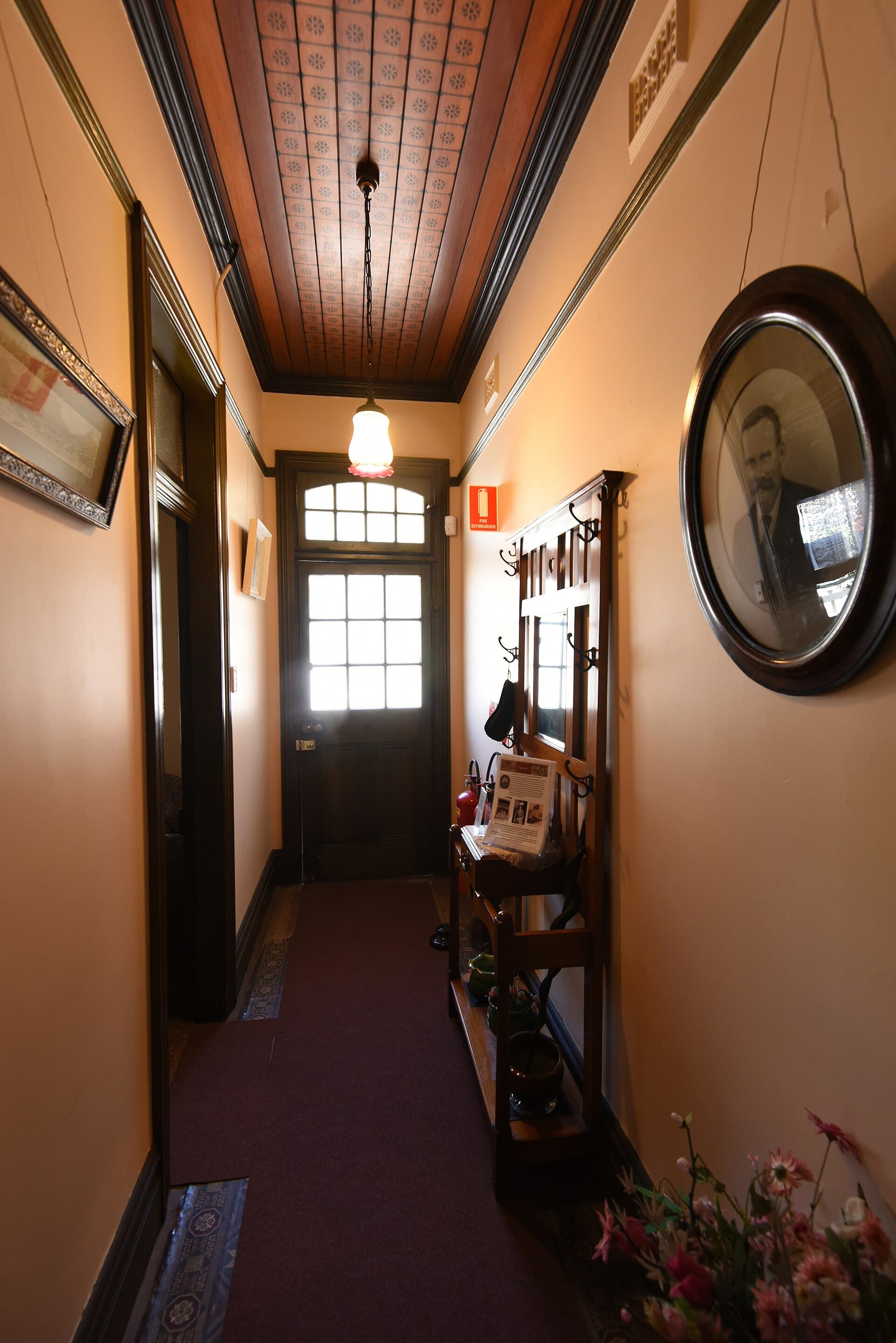
Strata and townhouse inspections in Newcastle
Lot versus common property, the access you will not get, and why a harbour apartment and a Merewether townhouse need the same walk-through and a different set of records.
Priya Nair · 14 August 2024 · 11 min read · Photo: Sardaka, CC BY-SA 4.0
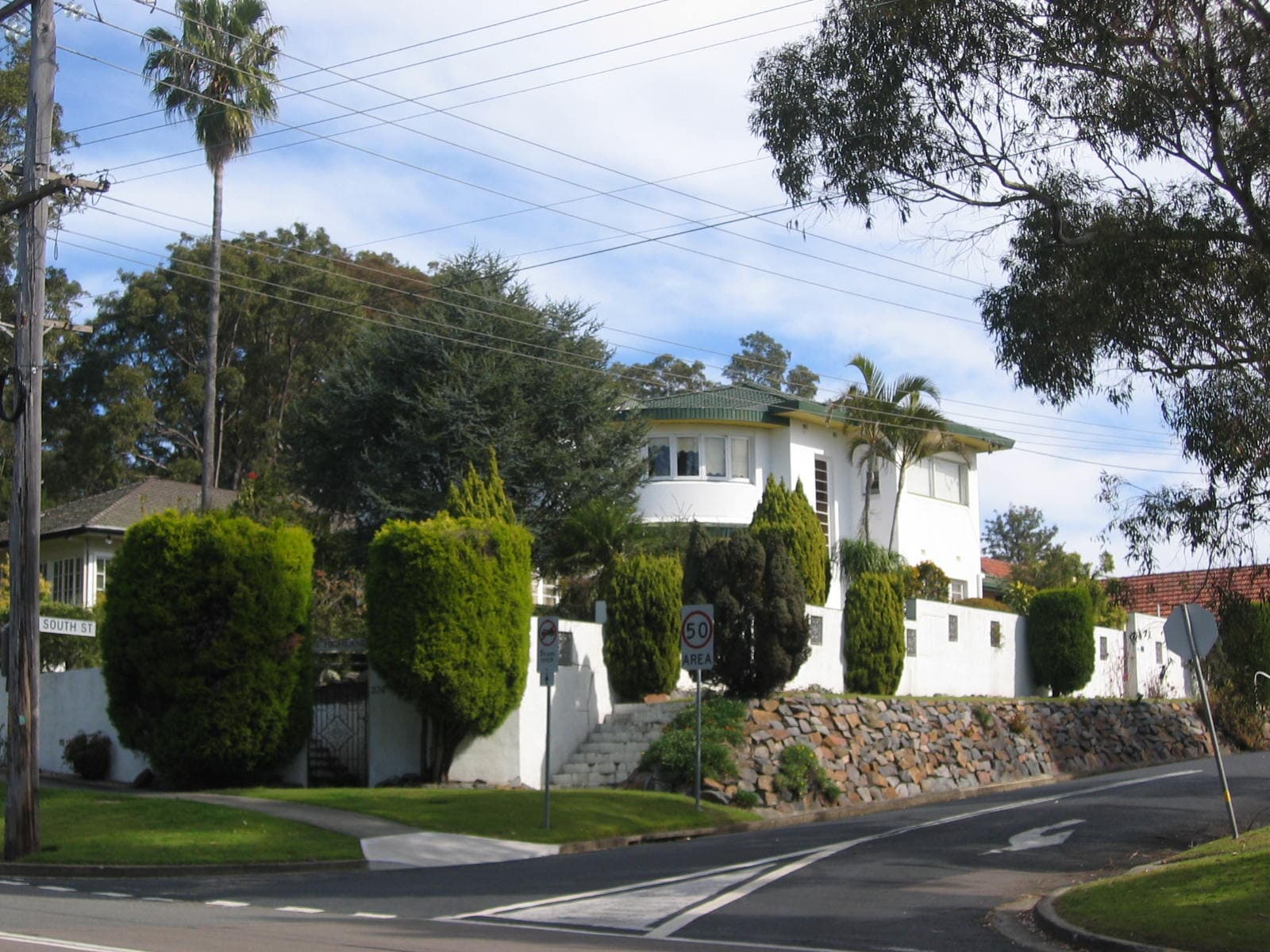
New builds versus established homes — the inspection
Why a finished-looking new house still needs a walk-through, how warranties are not reports, and what old paint and new paint each hide in the Hunter.
Helen Cartwright · 9 July 2024 · 10 min read · Photo: Orderinchaos, CC BY-SA 3.0
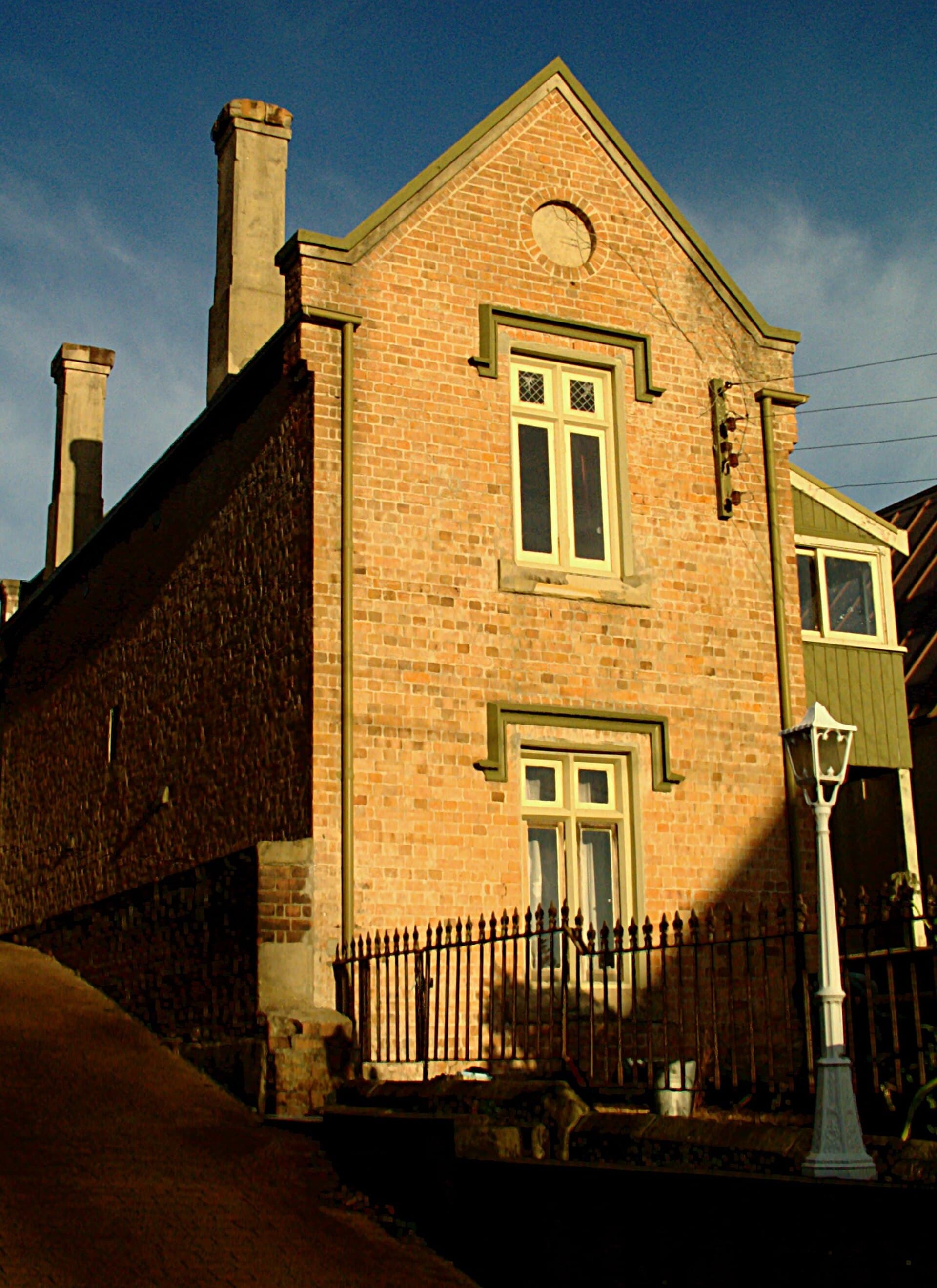
Auction versus private treaty inspection strategy
Inspect before you bid, set a walk-away price, and treat a vendor report as someone else’s document — with the different tactics that work in Hamilton, Cooks Hill and Charlestown.
Sophie Brennan · 18 June 2024 · 11 min read · Photo: Mark McIntosh, CC BY-SA 4.0