Coastal corrosion from Stockton to Redhead
Salt, steel, roofing screws, lintels and balconies on the Newcastle coast — how to tell corrosion from poor maintenance when the southerly is doing half the inspection.
By Priya Nair, Housing stock editor · 19 April 2024 · Updated 1 December 2025 · 11 min read
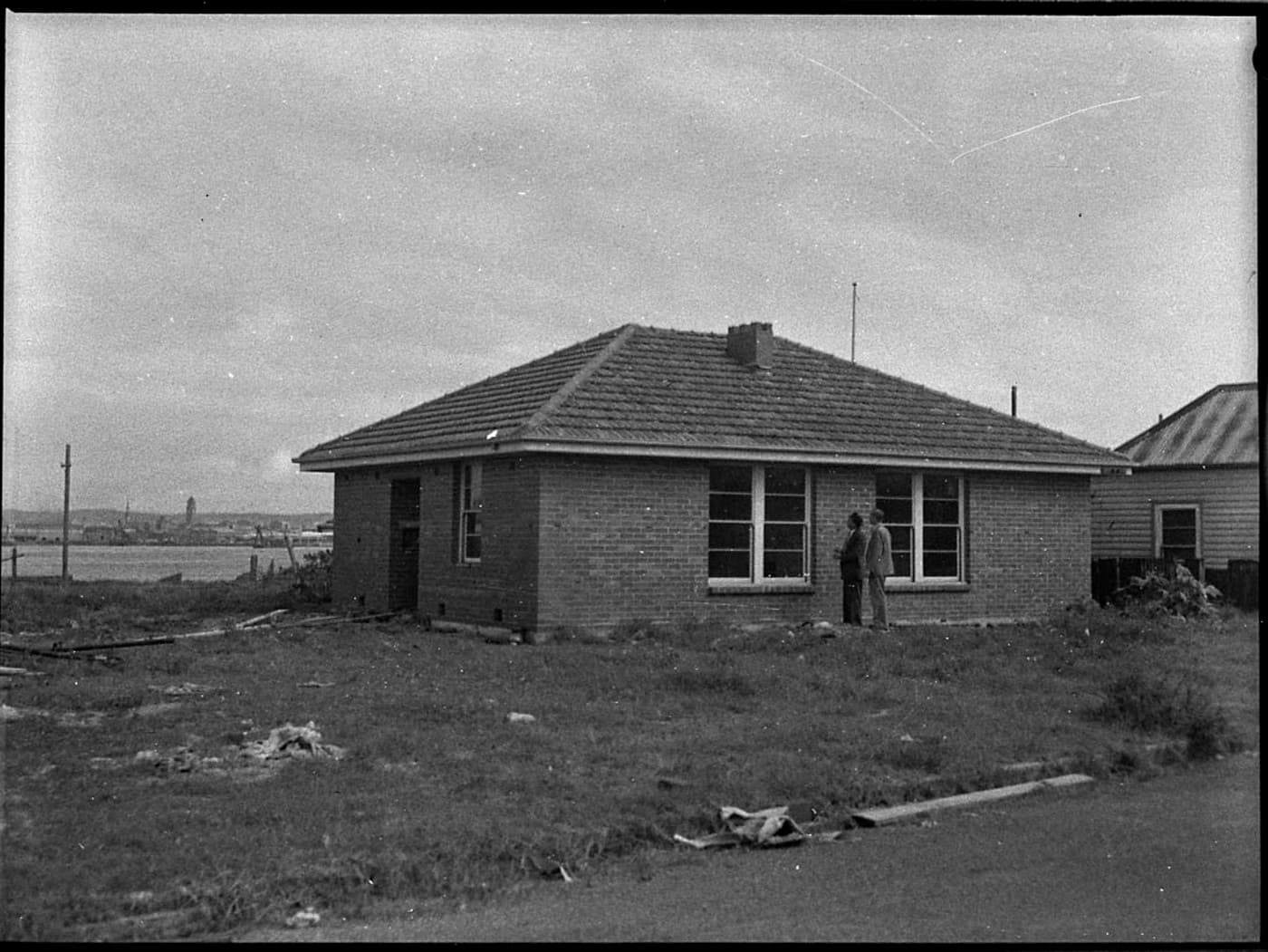
Photo: Sam Hood / State Library of New South Wales. Housing Commission homes, Stockton. Public domain. Source on Wikimedia Commons. Licence. Full credits on the image credits page.

Salt does not wait for a defect to be fashionable. From Stockton’s peninsula to the cliffs at Redhead, the same air that sells the suburb eats the steel that holds the suburb up. Merewether, Bar Beach, the exposed edges of The Hill, and the first streets back from the dunes all run a version of the same experiment: a house built as if it were inland, then asked to live in a marine climate.
This essay is about that climate as a building condition, not about beachfront glamour. If you want the inspection’s limits, read what a pre-purchase building inspection covers in NSW. If you want the timber the salt is trying to reach, see weatherboard cottages and subfloor ventilation and moisture. The strip itself belongs in Hunter housing stock.
A short geography of the air
Stockton takes weather from the harbour and the open ocean at once. The Housing Commission cottages in the 1955 photograph are still a type — small, light, close to the sand — and their descendants are still dealing with fixings that were never specified for this air. Redhead and Merewether take the southerly without much inland mercy. Bar Beach and the lower streets toward the baths get salt on glass that no amount of real-estate copy will wipe off.
A few hundred metres inland the dose changes. That is why a house on the first ridge can look tired in metal while a house in the next gully, nominally the same suburb, has gutters that still look like gutters. The inspector who treats “coastal” as a single setting will miss that. The buyer who treats a Merewether postcode as a guarantee of exposure will overpay for anxiety. Stand in the yard. Feel the wind. Look at the neighbour’s screws.
The stock is mixed, as it is everywhere in this city. Weatherboard and fibro on the older streets; Federation and interwar brick on the rises; brick veneer from the decades when a coastal block became a commuter block; newer pavilions that assume stainless steel is a personality. Salt is not choosy about the decade. It is choosy about the metal and the detail.
Steel is the story, even when the house is timber
People come to a coastal inspection talking about “the salt air” as an atmosphere. The inspector is looking at objects.
Roofing screws and washers. Corrugated iron and later coated sheets are held down by a pattern of screws. The washers perish, the heads corrode, the sheet lifts at the edge in a wind it used to sit through. A ceiling that is dry on a still morning is not a roof that will be dry in July. Widespread rust at the fixings is a roofing conversation, not a touch-up.
Gutters, valleys and downpipes. Steel gutters on this strip become thin from the inside. They stain the fascia, then they hole, then they water the wall. A leaf-filled gutter is poor maintenance. A gutter that has holed in an exposed run while a sheltered return is still intact is corrosion doing what corrosion does. Both can be true on the same house.
Lintels. Steel lintels over windows and garage doors rust, expand, and lift the brickwork in a characteristic crack. On a Merewether veneer that crack gets blamed on “the land”. Sometimes it is the lintel. The inspector should look at the soffit of the opening, not only at the step in the mortar.
Balconies, decks and balustrades. These are the safety items. A balcony that has pulled from the wall, a steel stringer that has lost its section, a balustrade whose fixings are rust blooms — those should be hard to miss in the report. Coastal decks fail as structure while still looking like lifestyle. If the inspector could not get under the deck, that is a hole in the report, not a small courtesy issue.
Window frames and hardware. Aluminium lasts better than untreated steel and still pits; steel casements of an older period rust at the hinges and then at the frame. Hardware is how you find out whether a window is still a window. A sash that will not close is an envelope failure on a coast where the envelope is the point.
Subfloor steel and ant caps. On weatherboard and older timber, the metal you cannot see from the street is the metal that quietly stops being metal. Ant caps and stirrups corrode, then the termite story and the corrosion story occupy the same stump. Termite risk does not pause for a sea breeze.
Inspection in wind
AS 4349.1 does not require an inspector to become a kite. “Reasonably accessible” on a Redhead afternoon may mean the roof is seen from the ground and from a ladder at the eaves, and not walked. A southerly that is ordinary for the suburb is not ordinary for a person on a brittle sheet held by tired screws.
The report should say what was done. “Roof viewed from ground level due to wind and safety” is a sentence you can use. “Roof in serviceable condition” without a method is a sentence you cannot. If the inspection is booked for a day when the coast is uninhabitable, timing is part of the job. You cannot ask the weather to pose.
Interior inspections on these streets have their own theatre. Salt haze on windows can hide whether the sash meets the frame. Doors swell and then shrink between the open home and the inspection. A moisture meter on a windward wall can look exciting and still be a coastal wall doing coastal work. Read the limitations. Do not treat a colour blotch as a diagnosis.
Corrosion versus poor maintenance
The useful distinction is not moral. It is about what will happen if you only start washing the house.
Poor maintenance on this strip looks like the inland version, accelerated: gutters left to sit, paint left past the point where it is a film, a balcony never looked at from below, weepholes painted shut on a veneer that faces the beach. Corrosion looks like the same neglect in the exposed metal, plus failure in places a diligent owner still cannot reach — the back of a lintel, the underside of a screw, the hidden fixing in a balustrade post.
If sheltered elevations are in fair condition and the windward metal is not, you are looking at exposure. If every elevation is tired, you are looking at an owner who stopped, and the salt has been helping. Most coastal houses are both. The report should describe the pattern rather than award a single cause. Sequencing repairs then becomes practical: make the house shed water and remain standing, then argue about paint.
Stainless, galvanising, and coated products help when they were specified and installed as a system. A stainless balustrade on mild-steel lugs is a coastal joke. A coated roof sheet with a mixed bag of replacement screws is a mixed bag. The inspector can see the mismatch when it is visible. They cannot assay the alloy.
The house under the salt
Corrosion is not the only coastal failure, and it is a mistake to let it monopolise the hour.
Stockton and the older fibro streets still have asbestos-cement as a skin. Salt does not make that sheet safer to disturb. It does make the nails and flashings around it less trustworthy. Inner-suburb weatherboard that takes harbour weather — Carrington, parts of Wickham, the exposed edges of Cooks Hill — belongs in both this essay and the cottage essay. Mine subsidence is rarely the first coastal sentence, but a jammed window on The Hill still needs a second look, and the second look should not skip the lintel.
Wet areas fail here as they fail inland, with the extra insult of a climate that never quite dries a shaded wall. Council records matter when a balcony or a rumpus has been added toward the view. Views encourage unapproved structure. The inspector can tell you what they can see of the connection. They cannot tell you that the connection was engineered.
After the PDF, living with a fair report on this strip is a shorter calendar than inland. Wash the salt off what can be washed. Keep gutters empty because they are also rusting from the inside. Put decks and balustrades on a cycle that assumes steel is perishable. Do not wait for the ceiling to map the roof screws. The house will still be the house when the nor-easter drops. The report is how you find out which metals have already left.
A note on this journal
We do not sell coastal inspections, and we do not rank suburbs by salt. The point of this page is to make the metal visible before the listing does another paragraph about lifestyle. The air will still be the air. The screws are how you tell whether anyone has been listening to it.
Questions readers ask
- Is rust on roofing screws a cosmetic item?
- Not on this coast. Screws and washers are how the sheet stays down in a southerly. Widespread corrosion is a roofing item, even if the ceiling is dry on the day of the inspection.
- Can the inspector walk the roof at Stockton or Merewether?
- Only where it is safe. Wind, pitch and a tired fixing pattern are reasons to stay on the ladder or the ground and say so. A limitation is not a courtesy. It is the edge of what was seen.
- How do I tell salt damage from a house that was simply not maintained?
- You often cannot separate them completely. Salt accelerates what neglect begins. Look at whether similar metals of similar age have failed in exposed positions, and whether sheltered elevations are in a different condition.
Keep reading
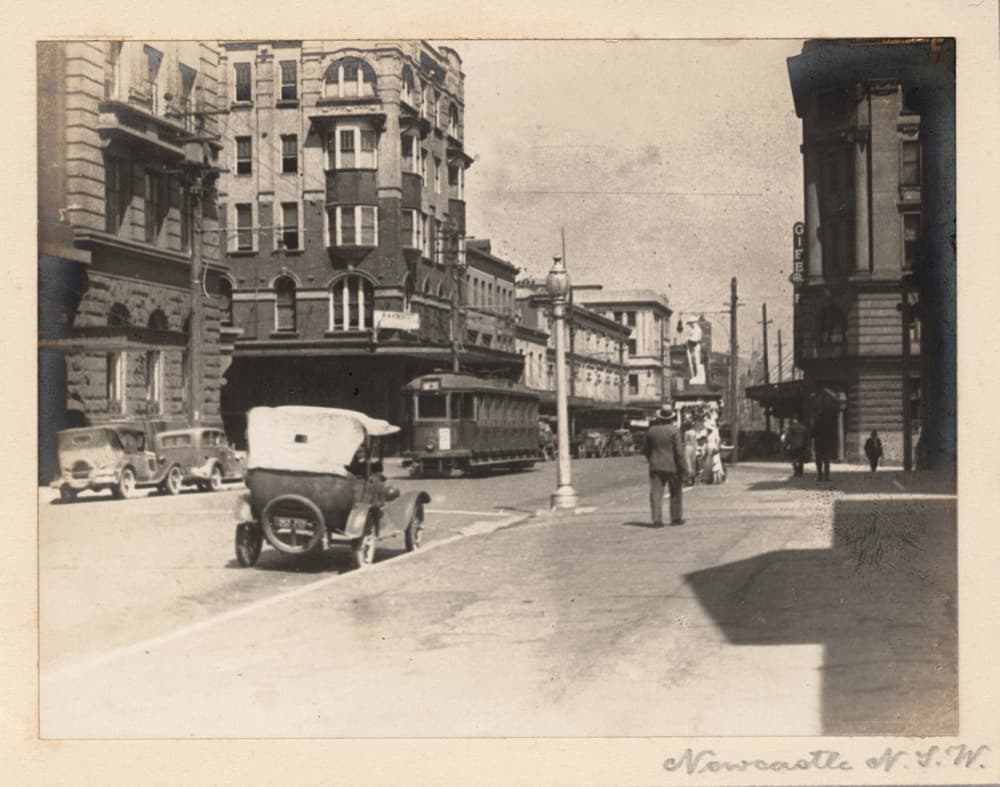
Federation and interwar homes in Newcastle and Maitland
Roofs, leadlights, damp and the later kitchen — how to read Federation houses and Californian bungalows on The Hill, in Cooks Hill and in Maitland without mistaking a renovation for the original house.
Priya Nair · 30 August 2024 · 11 min read · Photo: Royal Australian Historical Society, No known copyright restrictions
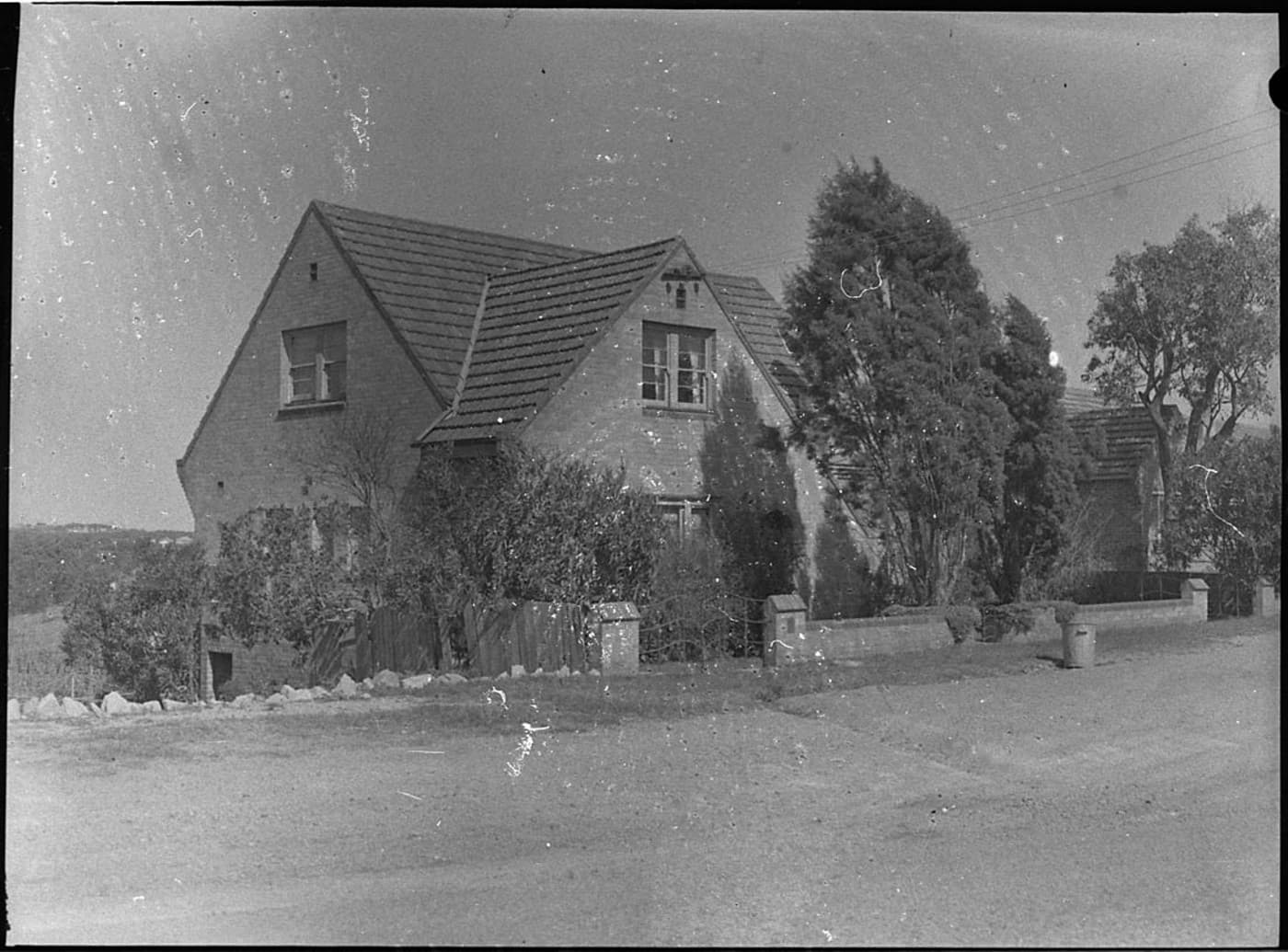
Brick veneer, 1970s to 1990s: what fails first
Weepholes, cavities, wet-area failures and aluminium windows on the Charlestown, Adamstown Heights and Warners Bay estates — the suburban house that looks finished and still leaks in the usual order.
Priya Nair · 22 July 2024 · 10 min read · Photo: Sam Hood / State Library of New South Wales, Public domain
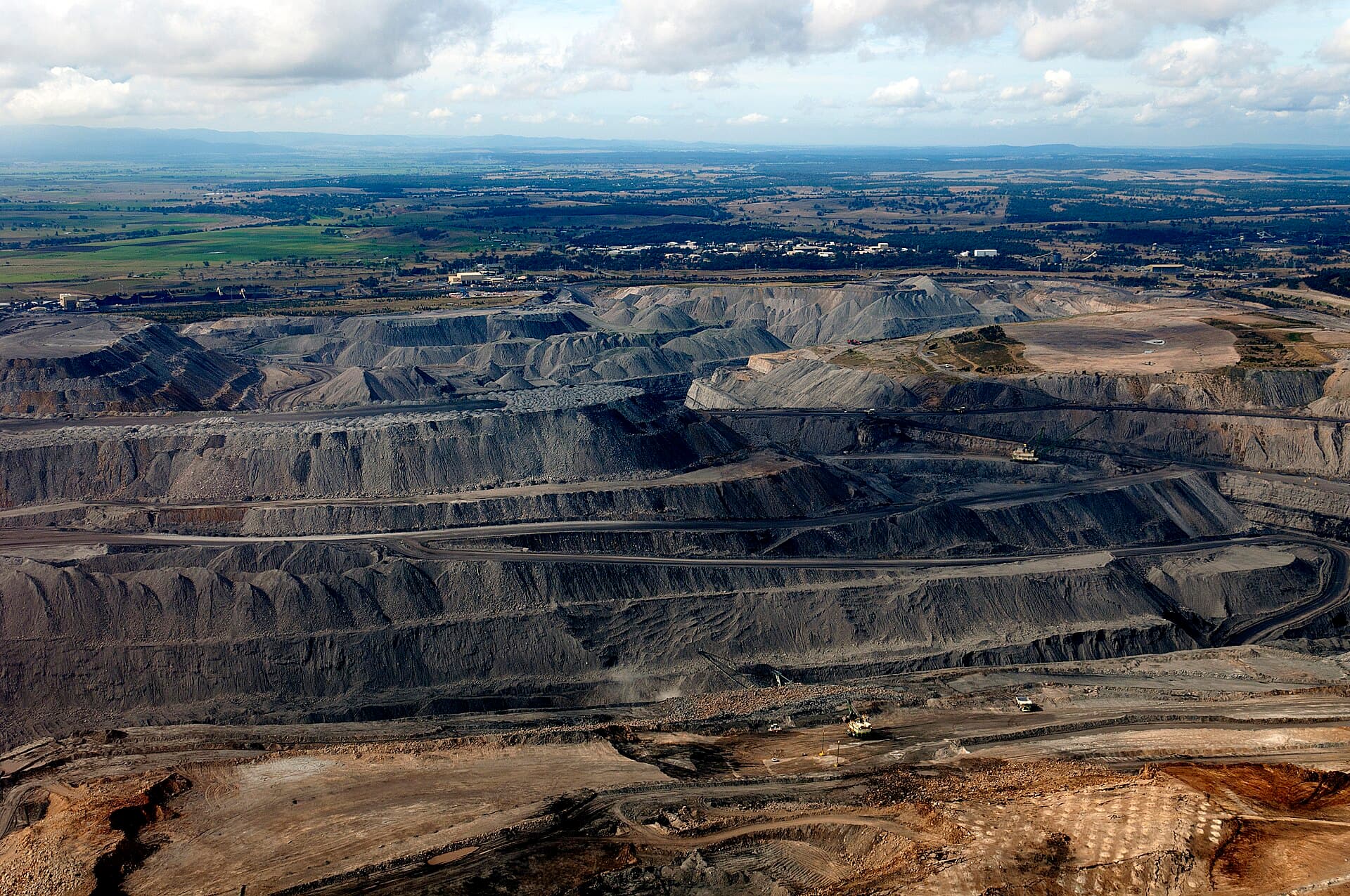
Mine subsidence and the Hunter coalfields buyer
What a walk-through can show, what a Subsidence Advisory NSW document is for, and how to look at cracks in Cessnock, Maitland, Kurri Kurri and older Newcastle without inventing a mine under every hallway.
Priya Nair · 5 March 2024 · 12 min read · Photo: Max Phillips, CC BY 2.0