Building codes, council records and the inspection
Why a walk-through cannot replace a records search — complying development versus a DA in plain language, unapproved work, and where Newcastle, Lake Macquarie and Maitland keep the paper.
By Mark Ellison, Standards editor · 17 September 2024 · Updated 12 March 2026 · 12 min read
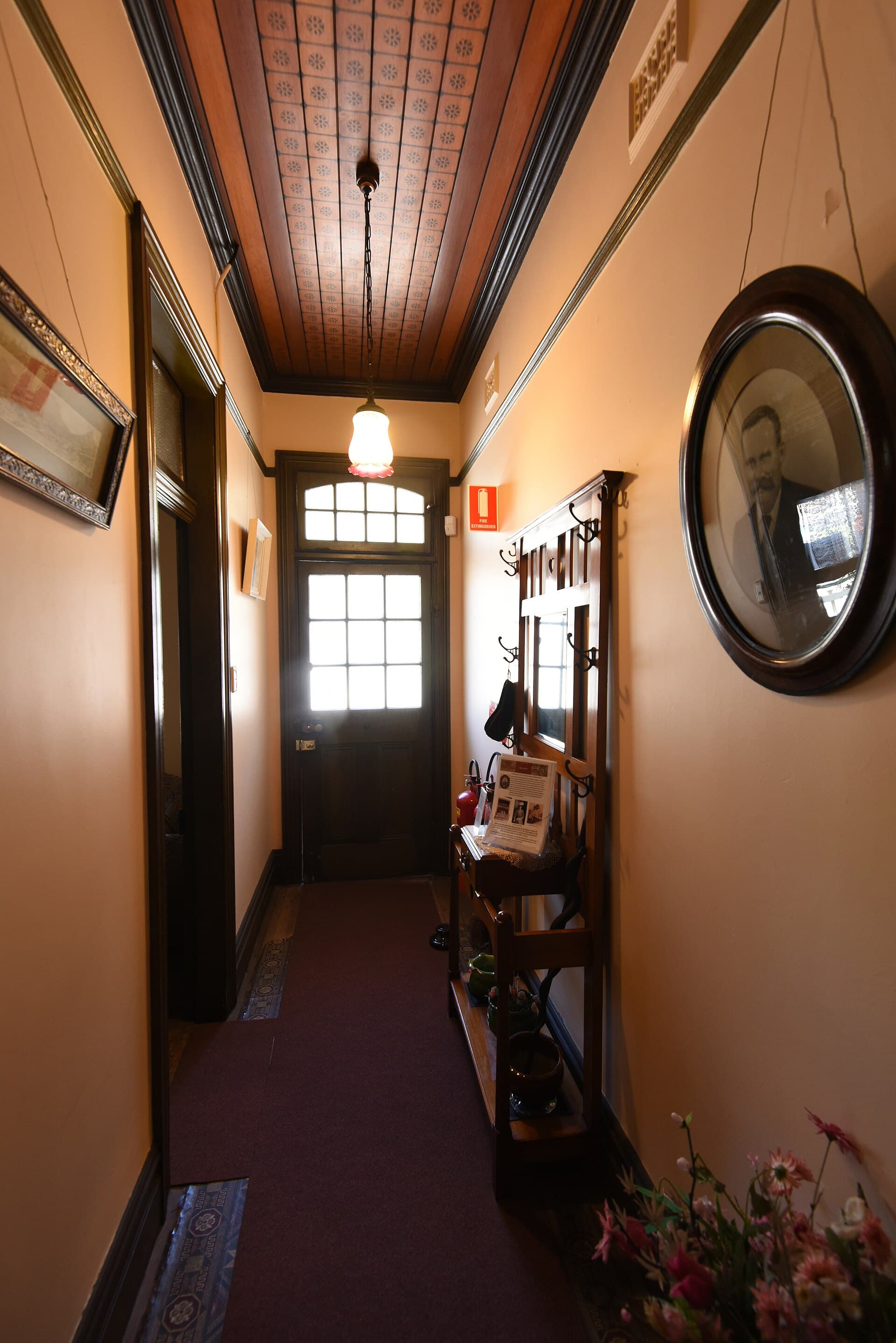
Photo: Sardaka. Miss Porter's House. CC BY-SA 4.0. Source on Wikimedia Commons. Licence. Full credits on the image credits page.

The inspector can tell you the ensuite looks new. They cannot tell you, from a walk-through, that the work was approved. In Newcastle that distinction has ruined more settlements than a sticky sash. A heritage cottage can be cherished and still carry a rear pavilion that exists only in the vendor’s memory. Miss Porter’s House is a museum of how a residence accumulates history. An ordinary sale is the same process without a curator.
This essay is about the paper trail: building codes in the sense buyers mean them, council records, and why an AS 4349 inspection is not a substitute for either. If you want the torch, start with what a pre-purchase inspection covers. If you want the person holding it, read choosing a licensed inspector. The reports and standards hub is the shelf.
Two different questions
Buyers fold three questions into one and then blame the report for answering only the first.
What condition is the accessible building in? That is the inspection, usually to AS 4349.1, sometimes with a timber pest half. Visual, limited, dated to a morning. See the limitations essay if you are still hoping it is an X-ray.
Was the work allowed, and was it signed off? That is planning and building approval: a development application, complying development, exempt development, construction certificates, complying development certificates, occupation certificates, and the occasional building information certificate after the fact. The inspector may suspect an addition is new. Suspicion is not a file.
What rules apply to this lot tomorrow? That is a planning certificate — in New South Wales, a certificate under section 10.7 of the Environmental Planning and Assessment Act — plus overlays a conveyancer actually reads: flooding, bushfire, heritage, mine subsidence, easements as they appear on title. The inspector walking the hallway is not issuing that certificate.
A good pre-purchase process buys all three kinds of looking. A hurried one buys the first and is surprised by the other two.
Complying development and a DA, in plain language
New South Wales does not have a single permission called “council said yes”. It has paths.
Exempt development is work the state code says you may do without an approval, if you meet the rules — setbacks, heights, trees, heritage, and a list of other ifs. A garden shed that qualifies is not illegal for lack of a DA. A garden shed that fails the ifs is not exempt because it looks like a shed.
Complying development is a faster approval for work that fits a published code. If every numeric box is ticked, a complying development certificate (CDC) can be issued by the council or by a private certifier. The work is approved. It has not been through a merits assessment at a council meeting. Neighbours may have been notified; they have not been invited to redesign it. Buyers hear “private certifier” and smell a loophole. Sometimes the work is fine. Sometimes the box-ticking was optimistic. The certificate is still the document you look for.
A development application (DA) is the older, broader path. You lodge plans. Council assesses them against its local environmental plan, development control plan, and whatever else applies to the land. Neighbours comment. Conditions are imposed. If it is granted, you still need the building approvals that let someone start and finish — a construction certificate, inspections, an occupation certificate, in the combinations the Act requires for that job. A stamped DA is not, by itself, proof the thing was built as stamped.
A building information certificate is the after-the-fact instrument people reach for when work is already there and the paper is not. Council can issue one that, in general terms, protects the building from certain council actions for a period. It is not a hug. It is not a substitute for having done the work properly. It is a document your solicitor may care about a great deal.
None of these paths is a building inspection. A CDC does not say the shower will not leak next winter. A DA does not say the steel lintel is still doing its job. An inspection does not say the pavilion is lawful. How to read an AS 4349.1 report will not turn a defect list into a planning certificate.
Codes, in the buyer’s mouth, often mean the National Construction Code and the Australian Standards that sit under it. Those documents govern how new work should be done. A pre-purchase inspector is not certifying that every alteration since 1974 meets the code that applied on the day, let alone today’s code. They are describing condition. Heritage houses make this especially easy to confuse. A residence that is now a museum, or a terrace that is merely old, can be “non-compliant” with a modern wet-area detail and still be the building you are buying. The question is whether the work that claimed to be new was ever allowed.
Unapproved work, as it actually appears
Unapproved work in the Hunter is rarely a cartoon extension with no windows. It is a list of ordinary ambitions.
A rear pavilion opened onto the garden. A garage become a studio. A second kitchen for a parent. A deck that grew a roof. An ensuite pushed into a verandah. A weatherboard cottage with a new first-floor lookout that the street can see and the file cannot. Internal walls removed because the kitchen felt small. A granny flat that everyone calls a granny flat and no one can find on the portal.
The inspector can tell you the floor bounces, the roof is tied in badly, the wet area looks recent, the opening in the wall has no obvious lintel. They can recommend an engineer. They cannot, from the hallway, tell you that a private certifier issued a CDC in 2018, or that no one issued anything.
What you do with unapproved work is a legal and commercial question: keep and regularise, demolish, insure with a disclosure, walk away, renegotiate. Using a report to renegotiate may help if the inspection found a defect. It will not, by itself, invent a consent. The after the inspection hub is about those decisions. This page is about not asking the torch to be a registry.
Insurance and finance care about this more than the open home does. So does the next buyer. A pretty renovation is a liability if it cannot be shown to exist on paper. That is not scaremongering. It is why conveyancers ask for documents you have never heard of.
Where the paper lives — Newcastle, Lake Macquarie, Maitland
The work is local. The portals are not identical. The habit is.
City of Newcastle. For a house in The Hill, Hamilton, Cooks Hill, Mayfield or the inner suburbs, start with council’s own application tracking and property-enquiry tools, and with the NSW Planning Portal for applications that live there. You are looking for DAs, CDCs, construction and occupation certificates, and any building information certificate. Heritage items and conservation areas — and there are plenty — change what was ever likely to be exempt or complying. A 10.7 planning certificate is the usual formal summary of what the planning scheme says about the lot; your conveyancer will know which version they want. Council can also hold older paper that has never been digitised. If the house is old enough to have a story, ask whether the file needs a retrieval, not only a search bar.
Lake Macquarie City Council. The lake towns — Toronto, Warners Bay, Belmont, the western and southern shores — run on the same state legislation and a different local environmental plan. The council has its own DA tracking and property certificates. Foreshore, flooding, and mine-subsidence overlays do a lot of work here. A fibro weekender that grew rooms is a local type. The inspection will see the rooms. The portal will tell you whether anyone asked permission to grow them.
Maitland City Council. Maitland, the river towns, and the newer estates sit on floodplain stories and a fast growth story at once. Council’s application lists and certificate services are where you look. A new estate house may have a tidy occupation certificate and a defects liability period that is not the inspector’s problem. An older river cottage may have a history that is only partly online. Do not assume the absence of a hit in a search bar is the absence of a history. It may be the absence of a scan.
Other Hunter councils — Cessnock, Port Stephens, the Upper Hunter — keep the same kinds of records under the same Act. The websites differ. The question does not: what was approved, what was certified, what overlays sit on the lot?
State-level tools matter too. The NSW Planning Portal holds many modern applications. Subsidence Advisory NSW is a separate counter for mine-subsidence districts; the mine subsidence essay is the longer briefing. Title, easements, and deposited plans live with NSW Land Registry Services, usually through your conveyancer. None of these is the inspector’s login.
A 10.7 certificate is not a building report. A building report is not a 10.7 certificate. Buy both.
What to ask for before you fall in love with the kitchen
You, or your conveyancer, can ask the vendor for:
- development consents and complying development certificates for the work you can see
- construction certificates and occupation certificates
- the identification survey if one exists
- any building information certificate
- the latest 10.7 certificate, understanding it dates
You can also search without the vendor’s blessing, for a fee, through council and the portal. You will not always get the drawings. You will often get enough to know whether the pavilion is a ghost.
If the house is strata, the scheme’s records and the lot’s records are different piles. Strata and townhouse inspections is about the inspection half. The strata roll and the minutes are the paper half. Do not ask a lot inspector to certify the common roof.
If the inspector notes “recent wet area”, “addition to rear”, or “opening formed in masonry wall”, treat those lines as prompts for the file, not as approvals. Thermal imaging and meters may tell you the ensuite is still wet. They will not tell you who certified it.
What the inspection should still say
None of this lets the inspector off the hook for what they can see.
They should describe the addition as an addition if it is one. They should say when a roof line, a floor level, or a wall opening looks like altered structure. They should recommend an engineer when the look is structural and the evidence is thin. They should not write “appears approved” unless they have seen a document — and even then, “appears” is doing too much work.
They should also not write “unapproved” as a finding of law unless they are reading a file. “No evidence of approval was provided” is closer to their job. “Further investigation of council records is advised” is a sentence that belongs in more Hunter reports than it appears in.
Insurance and disclaimers exist partly because buyers asked inspectors to be councils. The disclaimer that says the report is not a compliance certificate is one of the few that is almost always true. Believe it. Then go and get the certificate from the place that issues it.
The file and the house
A records search can be clean and the house can still be tired. A records search can be a mess and the house can still be loved. The inspection and the file are not a score that you average.
What you are trying to avoid is a particular kind of surprise: the pavilion you priced as a living room turns out to be a structure no one will insure, or a kitchen wall that everyone enjoyed turns out to be a wall the next certifier will want put back. Those surprises live in paper. The inspector’s morning is for rot, movement, water, and safety.
Read the report as a document. Read the council file as a document. Let your conveyancer read the 10.7. If the three stories disagree, that disagreement is the finding. Do not ask this journal to pick a winner. We do not sell inspections, we do not lodge DAs, and we do not rank firms. The house on the hill, or the cottage by the lake, will still be itself when the portal has finished loading. Your job is to know which self you are buying.
Questions readers ask
- Can the building inspector tell me if the extension is approved?
- They can tell you what they can see. They cannot, from a walk-through, certify that the work has a consent, a complying development certificate, or an occupation certificate. That is a records search, usually through council or the NSW Planning Portal.
- What is the difference between a DA and complying development?
- A development application is assessed by council on its merits. Complying development is a faster path for work that meets a published code; a council or a private certifier can issue the certificate if the box-ticking holds. Both are approvals. Neither is a building inspection.
- If the work looks well built, does approval matter?
- Often, yes. Unapproved work can affect insurance, resale, and what you are allowed to keep or alter. A fair inspection of the tiles does not make the pavilion legal.
Keep reading
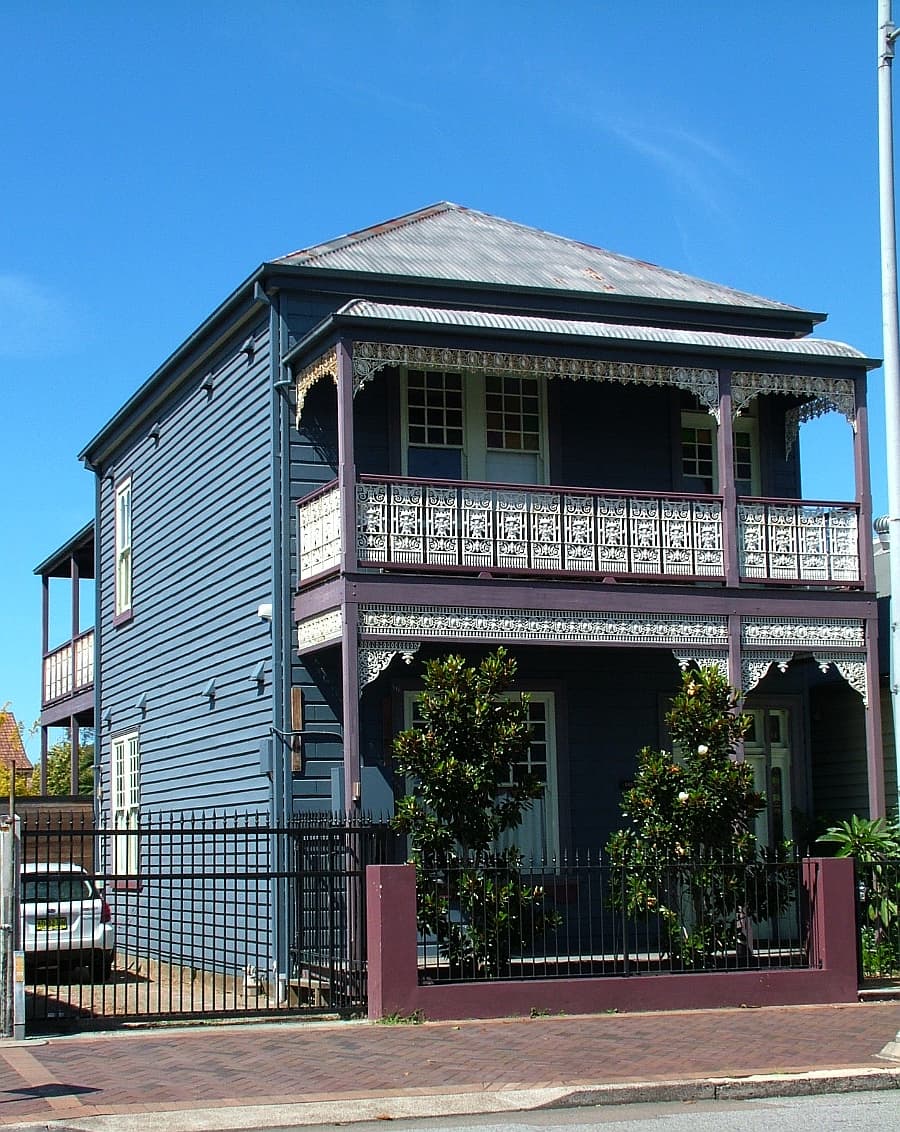
Insurance and disclaimers — what a report cannot do
Professional indemnity in plain language, why AS 4349 reports disclaim so much, and what a Newcastle buyer can reasonably expect from a document that is not a warranty.
Mark Ellison · 11 June 2024 · 11 min read · Photo: Mark McIntosh, CC BY-SA 3.0
Thermal imaging and moisture meters — when they matter
What a moisture meter and a thermal camera actually measure on a Hunter house, where they lie, and when they should change a recommendation rather than decorate a report.
Mark Ellison · 16 May 2024 · 10 min read · Photo: Sam Wilson, CC BY-SA 2.0
Limitations, exclusions and the fine print
What AS 4349 actually leaves out — inaccessible areas, furniture, locked rooms, roofs, and the “visual only” agreement buyers sign and then forget.
Mark Ellison · 19 March 2024 · 10 min read · Photo: Kabang Bladina Gideon, CC BY-SA 4.0