Fibro, asbestos and the post-war Hunter house
Asbestos-cement as a material fact, not a panic — how post-war fibro in Stockton, Charlestown and the coalfields towns should be read, and why a building inspection is not an asbestos register.
By Priya Nair, Housing stock editor · 8 February 2024 · Updated 9 January 2026 · 12 min read
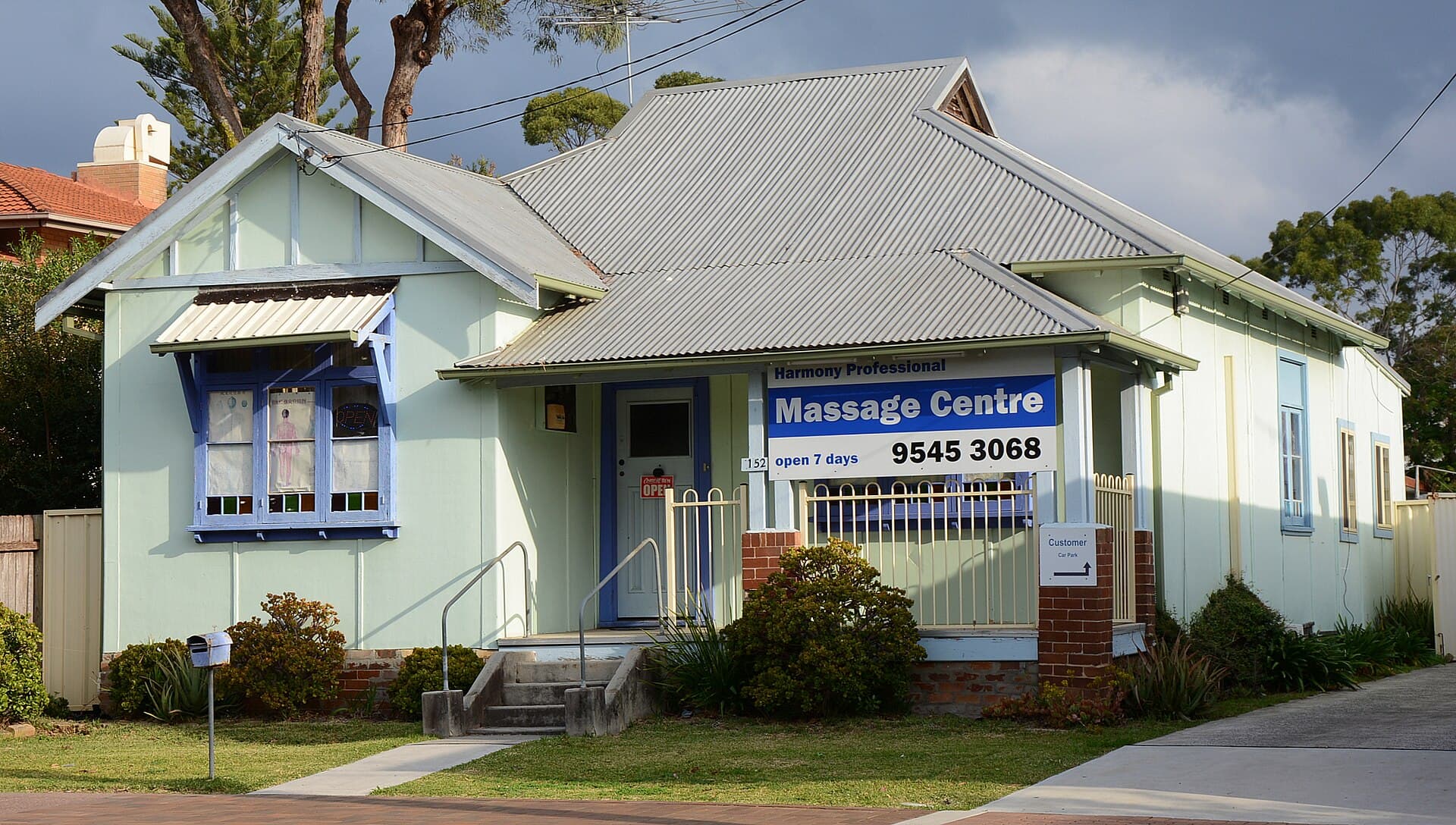
Photo: Sardaka. Fibro cottage, Flora Street. CC BY-SA 3.0. Source on Wikimedia Commons. Licence. Full credits on the image credits page.

Fibro is the most ordinary cladding in the Hunter and the most loaded. A cottage in Stockton or a coalfields street in Kurri Kurri can look humble, sound, even charming, and still be made of asbestos-cement sheet that a buyer is expected to treat as either a catastrophe or a non-event. It is neither. It is a material with a history, a condition, and a set of rules about who may disturb it.
This essay is about reading that material as a housing fact, not about teaching you to cut it. If you want the inspection’s proper limits, start with what a pre-purchase building inspection covers in NSW. If you want the timber the fibro is usually nailed to, see weatherboard cottages in the inner suburbs and termite risk in the Hunter. The houses themselves sit in Hunter housing stock.
A post-war vernacular, not a scandal
After the war the Hunter needed houses faster than bricklayers could supply a suburb. Asbestos-cement sheet — fibro — was light, cheap, paintable, and familiar to builders who had already used it for eaves and wet-area linings. You find it as whole cottages in Stockton, as rear additions in Charlestown and the older lake streets, as outbuildings behind Federation and interwar fronts in Maitland, and as the default wall in coalfields towns that grew with the pits. A 1955 Housing Commission photograph of Stockton is not a curiosity. It is a catalogue of a type that is still being sold.
The type is usually a timber frame, a simple roof of corrugated iron, a small plan, and a skin of flat or profiled sheet. Sometimes the front is weatherboard and the sides are fibro. Sometimes a later owner has clad over the sheet with vinyl or a brick-veneer skirt, which does not make the sheet disappear. Sometimes the house has been “rendered” in a coating that photographs as masonry and is still a timber cottage with a mineral hide.
There is no honest way to date every sheet from the footpath. Asbestos was used in Australian cement sheet for a long time, and non-asbestos fibre-cement arrived later. A building inspector is not a laboratory. Treat “it looks like fibro” as a reason to be careful, not as a mineralogy result.
Material fact, not a panic
Buyers arrive in two moods. One has read a headline and wants the house condemned. The other has been told “it’s fine if you don’t touch it” and wants the inspector to agree in writing. Both moods are a way of not looking at the actual wall.
Bonded asbestos-cement in good condition is a different object from sheet that is broken, powdering, or about to be cut. The first is a fact to record, to plan around, and to disclose when you later sell. The second is a disturbance problem. Painting intact sheet, if the paint is sound and you are not sanding it into dust, is not the same act as taking a grinder to an eave. This journal will not walk you through either act. It will say that the distinction matters, and that licensed people exist because the distinction is easy to blur on a Saturday.
Panic is expensive in its own way. It produces rushed “asbestos-free” renovations that disturb more material than they remove, and it produces vendors who hide a shed behind a lock. A fair purchase is one where the fibro is named, its condition is described, and the work you actually intend — a kitchen, a bathroom, a rumpus — is costed by people allowed to do it.
What the inspector can say, and what they must not pretend
A standard pre-purchase inspection is a visual inspection of reasonably accessible areas. It is not an asbestos register. The inspector may write that wall cladding, eaves, or fencing appear to be fibre-cement of an age and type often associated with asbestos. They may photograph a broken corner. They may refuse to disturb a sheet to see what is behind it. All of that is proper.
They cannot, from a walk-through:
- certify that a house is “asbestos free”
- certify that a house “has asbestos” without sampling, unless they are also acting in a role that allows them to say so
- produce the kind of register a workplace or a demolition contractor needs
- tell you the fibre type from the colour of the paint
If the report says “suspect ACM” or “fibre-cement sheet, further investigation”, that is a map, not a dodge — provided it is specific about where. If every second line says “may contain asbestos” and nothing is located, you have been handed a shrug.
When you need more than a shrug, you engage a competent hygienist or licensed asbestos assessor to sample and report. That is a different appointment, with different access, and it is the right appointment if you are about to renovate, demolish, or argue with a vendor about a figure. It is not something the building inspector owes you as a free extra because fibro makes people anxious.
Council files and the paper trail may show when a room was added. They will not, as a rule, tell you the mineral content of the lining.
Safe work, and when to get a hygienist
NSW regulates work with asbestos-containing material. The details live in public SafeWork documents, not in a housing essay, and they change in the way regulations change. The useful sentence for a buyer is simpler: do not invent a home method. Do not wet-and-wrap from a video. Do not ask the inspector to “just take a bit off”. Do not treat a broken fence as a skip-bin job because the piece is small.
Get a hygienist or licensed assessor involved when:
- you need to know, not guess, before you price a renovation
- sheet is damaged in a living area and you want a professional description of risk and next steps
- you are comparing two houses and one of them is about to be opened up
- a contractor has already started work and the dust question is no longer theoretical
“Further investigation” in a building report is not a hygienist. It is the inspector telling you to hire one, or a licensed removal contractor, or both. Sequencing repairs on an older house should put disturbance of suspect sheet before the decorative trades, not after the plasterer has already asked where to cut.
This journal will not describe removal technique, disposal, or how to recognise a bag. Those are licensed tasks. If a friend offers to “do the shed Sunday”, the correct response is no.
The house around the sheet
Fibro is a skin. The failures that actually move a Hunter purchase are often the same failures as any small post-war timber house.
Frame and floor. Many of these cottages sit close to the ground. Subfloors are tight, vents are blocked by later concrete, and bathrooms have been added as if the floor were a slab. Subfloor ventilation and moisture matters as much here as on a Cooks Hill weatherboard. Termites do not respect cladding type.
Wet areas. A 1950s laundry converted into a second bathroom is a classic. The inspector can see stains, soft floors, and catchy doors. They cannot see the membrane. On fibro houses the splash zone is sometimes the original sheet, painted until it looks waterproof.
Roof and metal. Stockton and the lake suburbs add salt. Roofing screws, gutters, and the nails that hold the sheet all corrode. See coastal corrosion. A fibro cottage with a tired roof is two envelopes ageing at once.
Later disguises. Brick-veneer skirts, vinyl, and render-on-battens are common from the decades when fibro became unfashionable. Brick veneer of the 1970s to 1990s has its own first failures; wrapped around an older fibro cottage it can also hide the sheet you needed to know about. The inspector should say when they could not see the original wall.
The coalfields overlay. In Cessnock, Kurri Kurri and the older Maitland edges, the same cottage may sit in a landscape that has been mined. Cracks in a fibro sheet are not automatically mine subsidence. Sheet cracks from impact, from a vehicle, from a door slam. Movement cracks that step through a later brick fence or jam a window are a different sentence. Do not let the cladding decide the geology.
Buying one without pretending it is brick
A post-war fibro house can be a good house. It is usually a small house, on a block that later suburbs would not waste on a small house, and it will ask you to maintain timber, metal, and a mineral sheet you are not free to attack. The purchase goes wrong when the buyer prices it as a blank canvas.
Ask, in language you can write down:
- which elevations and linings the inspector treated as suspect fibre-cement
- whether those surfaces were intact, damaged, or hidden
- whether the subfloor and roof void were entered
- what work you already know you want to do, and whether that work would disturb the sheet
Then decide what kind of owner you are prepared to be. Living with a fair report on a fibro cottage is mostly about not turning maintenance into demolition. Paint, gutters, a dry subfloor, and a pest inspection are the ordinary calendar. The extraordinary calendar — a new kitchen, a knocked-through wall — is when the hygienist and the licensed contractor enter the story. They should enter it before the skip.
A note on this journal
We do not sell inspections, clearances, or removals. We do not publish methods for disturbing asbestos-containing material. The point of this page is to stop a Hunter cottage being treated as either a poison shed or a harmless shed. It is a house. The sheet is part of the house. Name it, do not panic at it, and do not touch it as a hobby.
Questions readers ask
- Does a building inspection tell me if the house has asbestos?
- No. The inspector may note suspect sheeting. That is not a register, a sample, or a clearance. Identification of asbestos is a different job, done by someone competent to do it.
- Is intact fibro always a reason to walk away?
- No. Bonded asbestos-cement in good condition is a material fact to manage, not an automatic verdict. Damaged, drilling, or demolition work is a different conversation, and not a DIY one.
- Can I remove fibro myself before settlement?
- This journal will not tell you how. Removal of asbestos-containing material in NSW is regulated work. Ask a licensed professional, not a weekend plan.
Keep reading
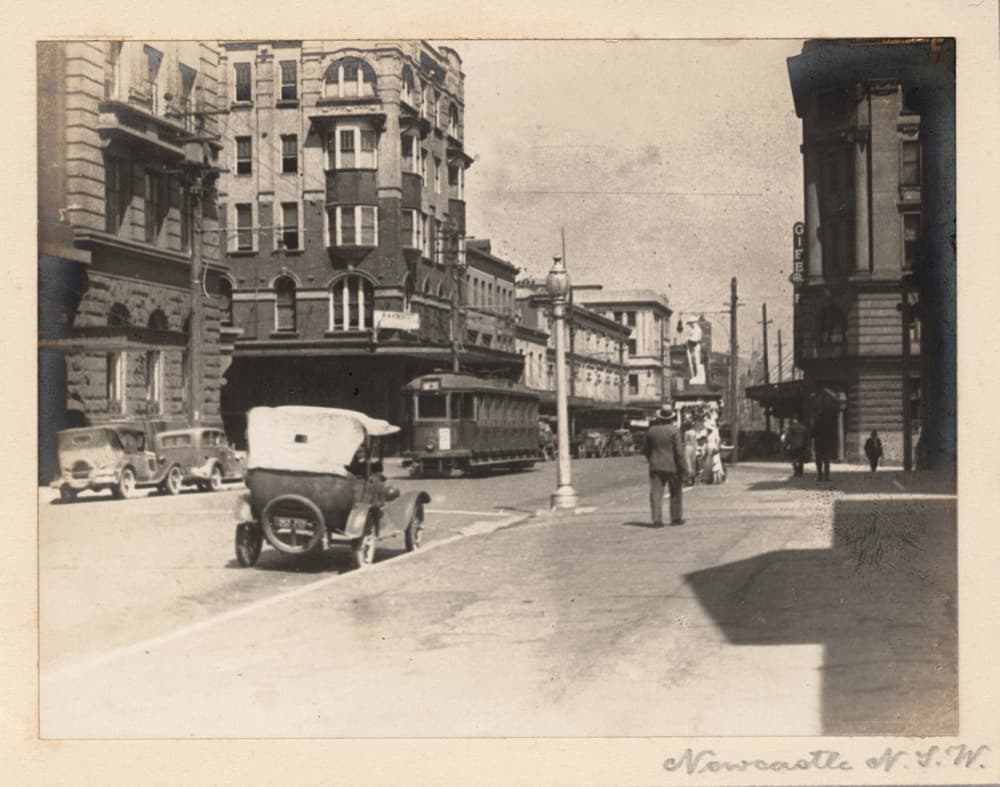
Federation and interwar homes in Newcastle and Maitland
Roofs, leadlights, damp and the later kitchen — how to read Federation houses and Californian bungalows on The Hill, in Cooks Hill and in Maitland without mistaking a renovation for the original house.
Priya Nair · 30 August 2024 · 11 min read · Photo: Royal Australian Historical Society, No known copyright restrictions
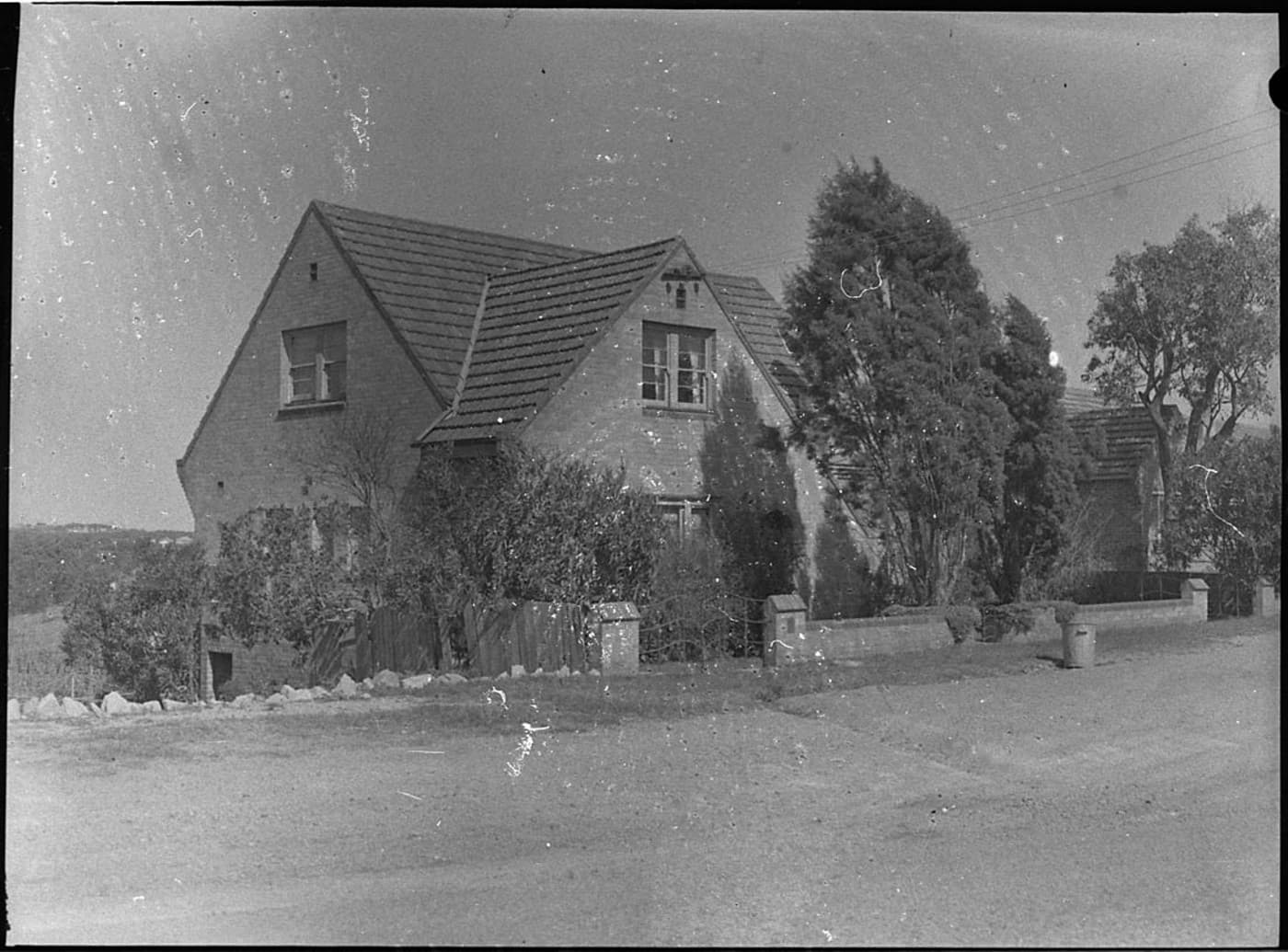
Brick veneer, 1970s to 1990s: what fails first
Weepholes, cavities, wet-area failures and aluminium windows on the Charlestown, Adamstown Heights and Warners Bay estates — the suburban house that looks finished and still leaks in the usual order.
Priya Nair · 22 July 2024 · 10 min read · Photo: Sam Hood / State Library of New South Wales, Public domain
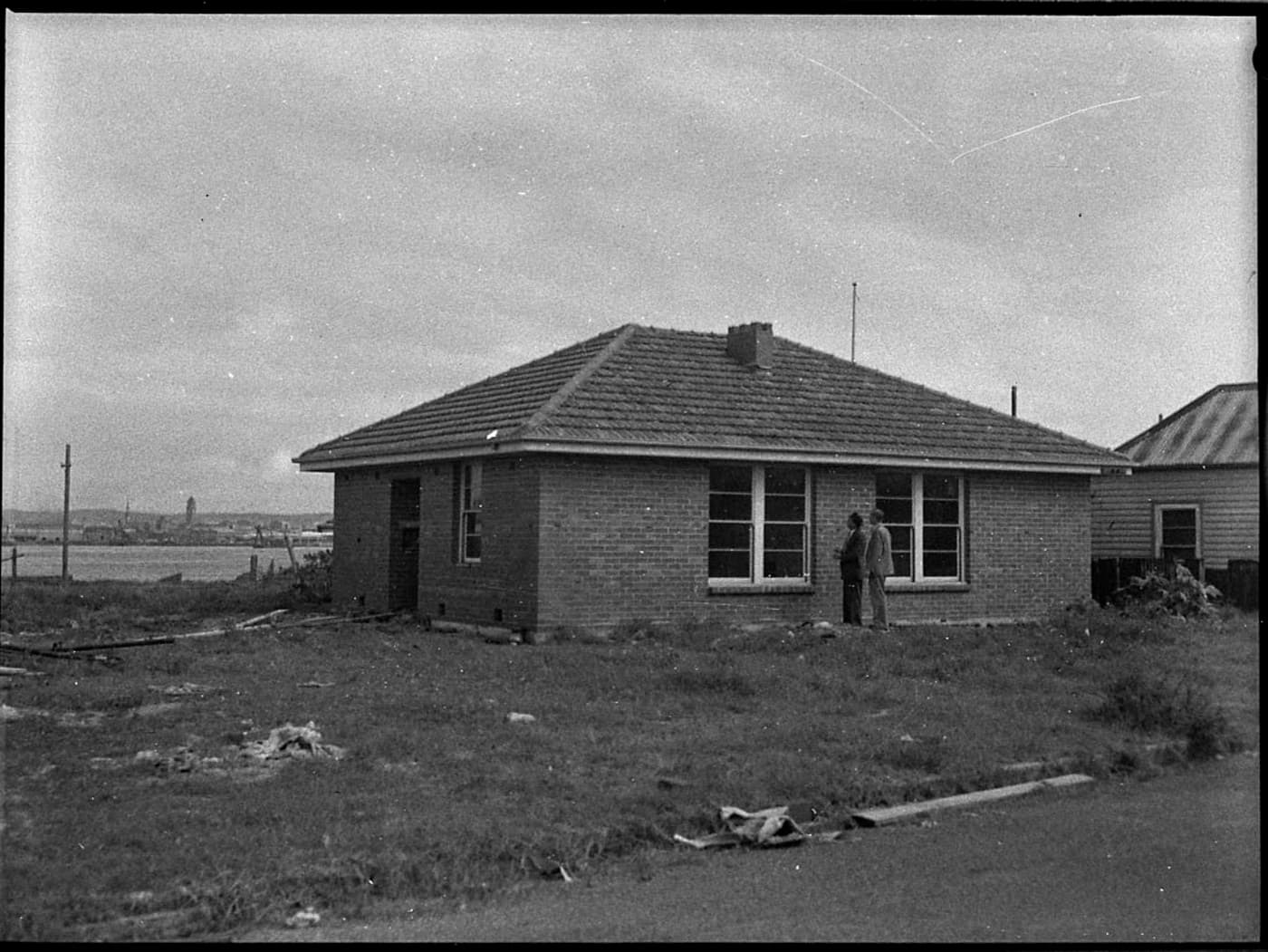
Coastal corrosion from Stockton to Redhead
Salt, steel, roofing screws, lintels and balconies on the Newcastle coast — how to tell corrosion from poor maintenance when the southerly is doing half the inspection.
Priya Nair · 19 April 2024 · 11 min read · Photo: Sam Hood / State Library of New South Wales, Public domain