New builds versus established homes — the inspection
Why a finished-looking new house still needs a walk-through, how warranties are not reports, and what old paint and new paint each hide in the Hunter.
By Helen Cartwright, Editor · 9 July 2024 · Updated 8 December 2025 · 10 min read

Photo: Orderinchaos. Adamstown Heights houses. CC BY-SA 3.0. Source on Wikimedia Commons. Licence. Full credits on the image credits page.

Buyers in this city still divide houses into two moral camps: the honest old place with “a few issues”, and the new place that will not need a thought. The inspector does not recognise the camps. A new house can be wet. An old house can be tired and still be the better purchase. The inspection is how you find out which sentence you are in.
This is not a lecture against new estates, and it is not a romance of crumbling brick. It is a comparison of what an AS 4349.1 walk-through can do in each case, and of the psychology that makes people skip it. For the standard job, start with what a pre-purchase inspection covers in NSW. For the document that arrives afterwards, there is a method for reading the PDF.
Incomplete houses are not shy about it — reports should not be either
A house that is still a site is the easy case, intellectually, and the hard one in practice. There may be no working bathroom, no finished roof drainage, no floor coverings, a lock-up that is lock-up in name. The inspector can only report on what is there and reasonably accessible. If half the house is a future tense, the report is an opinion about a smaller building than the one on the contract.
That is not a reason to skip the visit. It is a reason to be exact about the visit.
Ask, before you book, what stage the house will be at on the day. A lock-up inspection is a different job from a practical-completion walk. A report written among plasterers will have limitations that look like a novel. Those limitations are the point. They tell you what you are not buying an opinion about.
On a typical Hunter new-build that plays out like this:
- wet areas that are tiled but untested, or not yet tiled — the inspector cannot certify a membrane they cannot see
- roofs that are on, with flashings that have not seen a summer or a southerly
- exteriors that are clad, with weep holes taped, paths unbuilt, and the ground still a clay argument
- services that may not be commissioned — no water, no power, no chance to watch a waste actually waste
If settlement is being sold as “move-in ready” and the inspection still reads like a construction site, believe the inspection. Council records and the paper trail will tell you what was approved. They will not tell you whether the shower was built to the detail. Neither will a warranty pamphlet on the kitchen bench.
A second inspection at a later stage is sometimes the only honest extra. Build it into the timetable the way you would build cooling-off around an old house; timing around exchange applies to new work too, even when the agent talks as if the clock were a builder’s program rather than a contract.
A warranty is not an inspection
New-home warranties and statutory insurance exist because houses fail after the photographer has gone. They are valuable. They are also slow, conditional, and aimed at a later argument with a builder who may or may not still take your call.
An inspection is a point-in-time opinion about accessible areas. It does not replace the warranty. The warranty does not replace it.
People skip the inspection on a new house because they have confused the two, or because they have confused “never lived in” with “without defect”. New work fails in ordinary ways: a balcony fall that is shy of the requirement, a wet-area junction that will show itself in the first winter, a roof that was finished in a hurry before a handover date, doors that have already dropped. None of this needs a conspiracy. It needs a person who is paid to be unsentimental before you are emotionally moved in.
On a house that is twelve months old and being sold by the first owner, the warranty may still have life and the defects may already have been painted. That is the most flattering moment in a building’s life and one of the worst moments to skip a report. The first owner has an incentive to present a clean story. The inspector’s job is not to adopt it.
If the builder is offering a “defects list” as a substitute for your own report, treat it as you would a vendor report at auction: information written for someone else. Commission your own if the money is serious. Choose a licensed inspector who will write limitations on incomplete work rather than a compliment.
Established-home psychology is the other trap
The old house has a different vanity. Buyers arrive already prepared to forgive. They have been told, correctly, that a Victorian terrace in The Hill or a weatherboard in Hamilton will not inspect like a display home. They then treat every defect as “character” and every limitation as the price of charm.
A fair report on an old Hunter house is often an invitation to maintain something. That is not the same as a free pass. Ageing joinery is one fact. A roof that has finished being a roof is another. Rising damp on a Civic terrace is not a personality. A bouncing floor in Waratah is not a story about “these old places”.
The useful attitude is:
- expect minors and a maintenance calendar
- do not expect to invent a structural story that the inspector declined to write
- do not translate “typical for age” into “free”
- keep the walk-away question for safety, structure, water and pests — not for paint
Established homes in this region also carry the local extras that new estates are supposed to have been designed around: mine subsidence as a reason to look twice at stepped cracks, salt air from Stockton to Redhead, termites that do not respect a charming verandah. Those essays live in Hunter housing stock and in the pest hub. The inspection does not become optional because the house has already survived a century. Survival is not a forecast.
What new paint hides, and what old paint admits
Paint is the most successful liar in a pre-purchase week.
On a new or newly flipped house the paint is often the point of the sale. It covers plaster that has not finished drying, junctions that have not been watched through a season, a bathroom that was recaulked rather than remembraned, a crack that was filled last Thursday. The inspector is not helpless — moisture meters, a trained eye at the junctions, the smell of a wet cavity, the logic of a too-perfect wet area — but they are looking at a surface that was designed to be looked at. Read limitations and the fine print before you are angry that a visual inspection did not see through tiles.
On an established house the paint is usually more honest, even when it is peeling. Stains have had time to yellow. Movement has had time to reopen. The danger is the opposite vanity: a recent “spruce” that has been aimed at the open home. Fresh interior paint in a 1950s cottage in Adamstown, a new exterior on a fibro at the lake, a sealed subfloor vent because someone found the draught. Ask when the work was done. Ask what it was covering. The inspector can tell you what they can see. They cannot date a membrane from the hallway.
Defects that hide particularly well behind new work:
- waterproofing in showers and on balconies — the classic further-investigation item
- flashings renewed in the photograph and not at the upstand
- structural cracking filled and painted without a conversation about why it moved
- subfloor ventilation improved on one face of the house and ignored where the timber actually sits
- termite evidence painted, packed or built over — which is why a building report is not a pest report. See combined versus separate
If the inspector writes “further investigation” on a new wet area, that is not pedantry. That is the job refusing to become a warranty.
Lake estates and inner Newcastle are different sentences
The comparison is not only new versus old. It is where the newness sits.
New-release and lake-edge estates — the streets that were paddocks in living memory, the brick houses that all share a colour chart — fail in contemporary ways. Slab edges, surface drainage on clay, the first cheap renovation of a twenty-year-old “executive”, a balcony that was a selling point and is now a maintenance plan. Inspections here are about water, the envelope, and whether the house was finished or merely handed over. Neighbours are not a heritage street. They are a row of similar details, which is useful: what is failing two doors down is often what will fail here.
Inner Newcastle — The Hill, Cooks Hill, Hamilton, Civic, the older edges of Adamstown — fails in the ways old cities fail. Roofs, damp, altered structures, the junction between an 1890s body and a 2010s pavilion, access that is a crawl and a prayer. Inspections here are about structure, water, and the honesty of additions. Council records matter more because the house has had more lives. Strata and townhouses in the same belt have their own access politics; that is a separate essay.
A new house in an old suburb is not a compromise between the two. It is a new envelope on an old block, with old drainage politics and new waterproofing risk — a two-storey pavilion off a cottage, a slab where a garden used to take the water. Inspect it as new work, and then look at the site as if it were old. The block will not have been replaced.
What you are deciding, in either case
After the PDF, the question is not “is it perfect”. No serious report in this climate will give you that sentence.
On a new house you are deciding whether the remaining work, the limitations, and the warranty process add up to a purchase, or to a wait. Renegotiation with a builder or a first-owner vendor is a different tone from arguing about a Victorian roof, but it is still a list of facts with prices.
On an established house you are deciding what kind of owner you are prepared to be. A fair report is often a maintenance calendar wearing a frown. That is a better offer than a new house whose problems have not started speaking.
The pre-purchase habit that travels between the two is the same: book someone licensed, get access, read the limitations, and do not confuse a brochure, a warranty or a fresh wall with an opinion. The house — new, old, lake, inner — will still be the house when the estate flags come down. The report is how you stop sorting it into a moral camp and start seeing the building.
Questions readers ask
- Do I need a building inspection on a brand-new house?
- Yes, if you are paying second-hand money for it, and yes if it is “finished” but not yet lived in. A warranty is a process for later. An inspection is an opinion about today.
- Can I inspect a house that is not finished?
- You can inspect what exists. You cannot inspect a bathroom that is still a cavity. The report should say what was incomplete, or you are buying a brochure.
- Are established homes always the riskier buy?
- No. They are the more legible buy. Ageing is visible. New work can hide behind paint, and incomplete work can hide behind a settlement date.
Keep reading
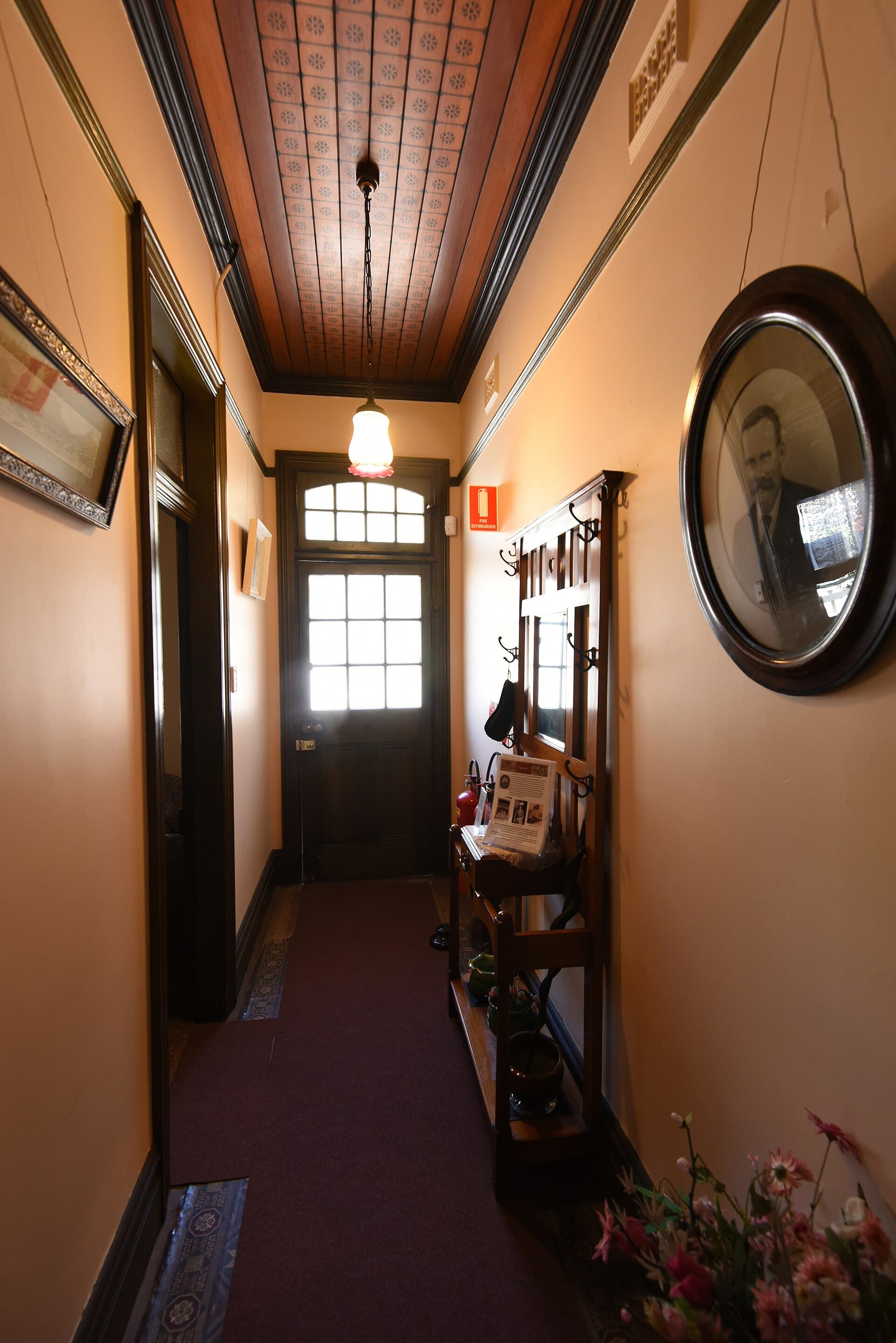
Strata and townhouse inspections in Newcastle
Lot versus common property, the access you will not get, and why a harbour apartment and a Merewether townhouse need the same walk-through and a different set of records.
Priya Nair · 14 August 2024 · 11 min read · Photo: Sardaka, CC BY-SA 4.0
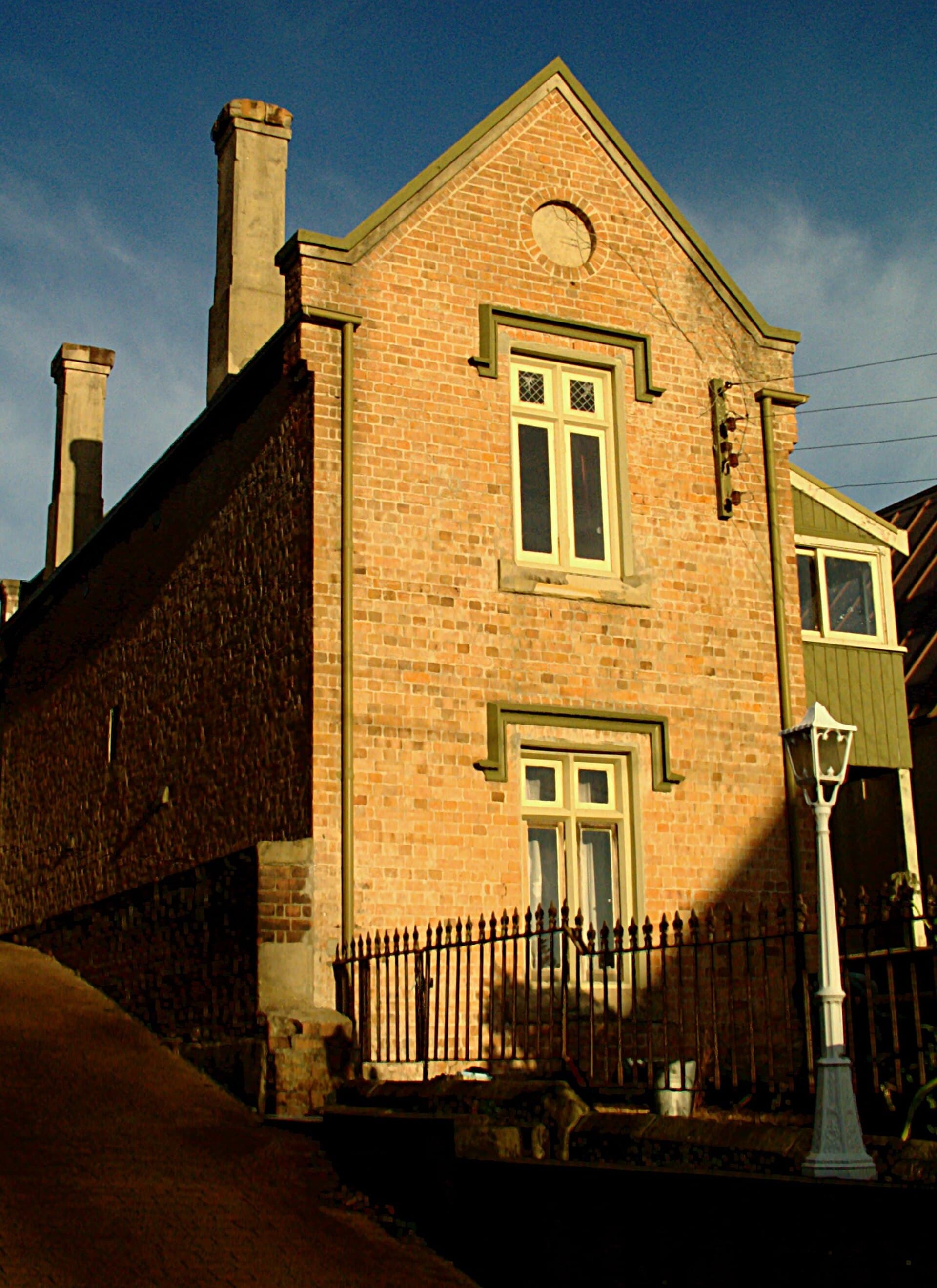
Auction versus private treaty inspection strategy
Inspect before you bid, set a walk-away price, and treat a vendor report as someone else’s document — with the different tactics that work in Hamilton, Cooks Hill and Charlestown.
Sophie Brennan · 18 June 2024 · 11 min read · Photo: Mark McIntosh, CC BY-SA 4.0
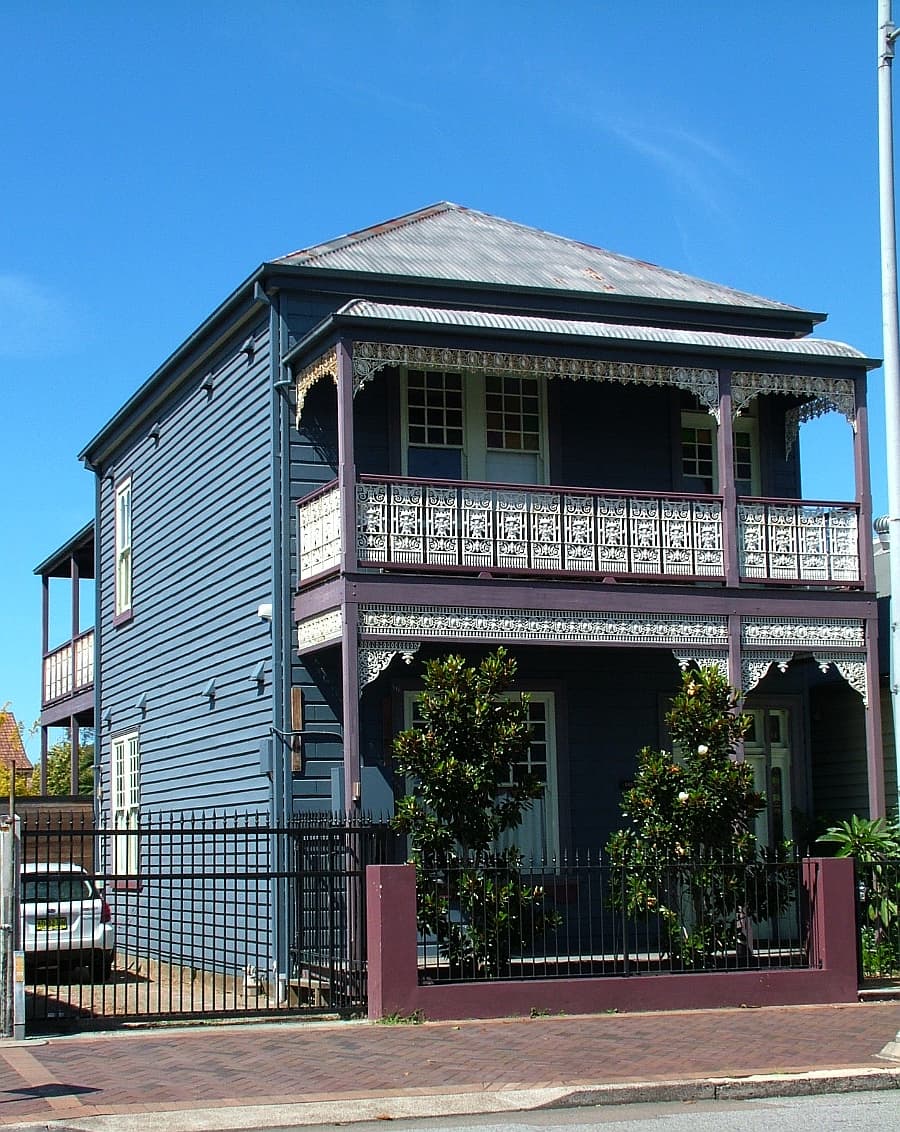
Timing your inspection around exchange in Newcastle
How to use the NSW cooling-off, and why auction buyers have none — access, tenants, wet weather, and the pace of the Hunter market between open home and exchange.
Sophie Brennan · 21 May 2024 · 10 min read · Photo: Mark McIntosh, CC BY-SA 3.0